If you've been thinking about using AI to help with your content but haven't started yet, you're in good company. Most advisors I talk to are in the same spot. They know AI can help. They've even probably tried ChatGPT once or twice. But they never built it into how they actually work.
The reason usually isn't that the technology is too complicated. It's that nobody has shown them how to set it up for their specific situation. The guides out there are either tool lists ("here are 10 AI platforms to try") or generic overviews written by marketing companies. None of them walk an advisor through the actual process of going from zero to a working content system.
That's what this article does. By the end, you'll know which tool to start with, how to train it to write in your voice, how to stay compliant, and how to create your first piece of content that sounds like you wrote it. No technical background needed. If you can type a paragraph, you can do this.
Pick One Tool and Stick With It
The first mistake most advisors make is trying to learn three AI tools at once. ChatGPT, Claude, Gemini, Copilot. Each one works differently, and splitting your attention across all of them means you never get good at any of them.
Pick one. Here's the breakdown.
ChatGPT is the most widely used AI tool and the one most advisors have already tried. It's flexible, it's fast, and the free version is good enough to start with. If you've already been using it casually, there's no reason to switch.
Claude (made by Anthropic) is what I use and what I recommend for advisors who want to go deeper. Claude's Cowork feature lets you build persistent projects where AI remembers your voice, your niche, and your compliance preferences across sessions. That means you set it up once and it gets better over time. Claude also tends to produce output that sounds more natural and less robotic than other tools, which matters a lot when your name is on the content.
Either one works. The important thing is picking one and learning it well enough that it becomes part of your weekly routine. You can always explore other tools later.
Teach AI How You Sound (This Is the Most Important Step)
Here's what happens when you skip this step: you type "write a LinkedIn post about why estate planning matters" and AI gives you something that opens with "In today's financial landscape" and closes with "Don't let this critical opportunity pass you by."
Nobody talks like that. And your clients and prospects can feel it.
AI writes generically because it doesn't know who you are. It doesn't know if you're formal or casual, if you lead with stories or data, if you use short punchy sentences or longer explanatory ones. Without that context, it defaults to the most average, middle-of-the-road version of financial advisor content it's ever seen.
The fix is building what I call a Voice Template. It's a document that describes how you write: your tone, your vocabulary, the words you use and the words you avoid, how you open and close a piece of content, and how you handle the line between education and advice.
You build it once. Then you paste it into every prompt you run. AI reads it and adjusts its entire writing style to match yours.
Here's the simple version of how to build one:
Gather three to five pieces of content you've already written. LinkedIn posts, client emails, blog posts, anything where you thought "yeah, that sounds like me." If you've never written anything, use emails you've sent to clients. Your voice is already in there.
Ask AI to analyze your writing style. Paste your samples into ChatGPT or Claude and say: "Analyze my writing style. Describe my tone, my sentence length, my vocabulary, my opening and closing patterns, and anything else that makes my writing distinct. Then create a Voice Template I can paste into future prompts so AI writes like me."
Save the output as a document. This is your Voice Template. You'll paste it at the bottom of every prompt from now on. The more specific it is, the closer AI gets to sounding like you.
This step takes about 15 to 30 minutes. And it's the single biggest thing you can do to make AI content actually useful for your practice. Without it, you'll keep getting generic output that sounds like it could have come from any advisor on the internet.
Or you could go the easy route and use the Claude Skill that I created for my Amplify for Advisors paid subscribers. It will walk you through the process and give you an advisor specific voice template.
Set Up Your Compliance Guardrails
This is where financial advisor AI content has to be fundamentally different from any other industry. You're regulated. What you can and can't say in public-facing content isn't a style choice. It's a compliance consideration.
The good news is that compliance guardrails are easy to build into your AI setup. You just need to tell AI the rules before you ask it to write.
Here's what to include in every prompt:
Stay educational, not prescriptive. Tell AI to frame content through your perspective ("I believe," "in my experience," "one approach that may work") rather than giving direct advice ("you should do this"). Educational framing is the foundation of compliant advisor content.
Use qualifying language naturally. Words like "may," "could," "depending on your situation," and "worth exploring" should feel woven into the writing, not bolted on as a disclaimer at the end. If the compliance language stands out, it wasn't done well.
Anonymize stories. If you reference a client situation, AI should change enough details that nobody could be identified. Different names, different specifics, framed as a hypothetical or a past experience.
Avoid specific product recommendations. In public content, stay conceptual. "A diversified portfolio" rather than naming specific funds or tickers. "A tax-efficient approach" rather than recommending a specific strategy.
No guarantees or predictions. AI loves to say things like "this strategy will help you save thousands." That's a compliance problem. Everything should be framed as education, not a promise about outcomes.
You can add these rules to the bottom of your Voice Template so they're included automatically in everything you create. That way you're not remembering to add them manually each time.
Create Your First Piece of Content
Now that you have your Voice Template and compliance guardrails, you're ready to create something.
Start with a LinkedIn post. It's the platform where most advisors are already active, and the format is short enough that you can see results quickly.
Here's a simple prompt structure that works:
Context first. Tell AI who you are and who you're writing for. "I'm a financial advisor who serves physicians in their first five years as attendings. My audience on LinkedIn is physicians who are making money for the first time and don't know where to start with financial planning."
Voice instructions second. Paste your Voice Template here.
Compliance guardrails third. Paste your compliance rules here (or include them in your Voice Template).
The specific request fourth. "Write a LinkedIn post about why physicians should think about disability insurance before they start investing. Keep it under 200 words. Open with a specific scenario, not a statistic. End with a quiet observation, not a question."
Format instructions last. "Short paragraphs, one to three sentences each. No bullet points, no hashtags, no emojis."
This order matters. AI processes prompts from top to bottom, so the context and voice instructions at the top color everything that comes after. If you put the request first and the voice template last, AI may commit to a direction before it reads how you want it to sound.
Review, Edit, and Post
AI gets you about 80% of the way there. The last 20% is yours.
Read the output out loud. If you stumble over a phrase because it's not how you'd say it in conversation, change it. If the opening could have been written by any advisor in any niche about any topic, rewrite it with something specific. If the closing sounds like a motivational poster, replace it with something quieter and truer.
Look for common AI patterns that give it away: stacked short sentences ("Markets shift. Clients worry. Plans change."), corporate vocabulary (leverage, optimize, holistic, comprehensive), and generic openings that start with "In today's" anything. These are the patterns your prospects can feel even if they can't name them.
The editing pass is where your content goes from "AI-generated" to "AI-assisted." And there's a meaningful difference between the two. AI-generated means the machine did the work. AI-assisted means you used a tool to do your work faster.
Build a Weekly Routine
The advisors who get the most value from AI aren't the ones who use it once and forget about it. They're the ones who built it into a weekly routine.
Here's what a simple AI content routine looks like:
Monday or Tuesday: Spend 30 minutes creating your main piece of content for the week. Use your Voice Template and compliance guardrails. Review and edit the output. Post it.
Wednesday or Thursday: Take that piece and create two or three shorter posts from it for other platforms. A Substack Note, a Facebook post, a client email angle. Different platforms need different tones, but the core idea stays the same.
Ongoing: When you read an article or have a client conversation that sparks an idea, save it. Keep a running list of topics. When your weekly content session comes around, you'll never start from a blank screen.
That's 60 to 90 minutes a week for consistent, compliant, voice-matched content across multiple platforms. Before AI, that same output would have taken five or six hours. And most advisors would have given up after the second week.
Watt, the Amplify for Advisors Agent
See Watt solve this.
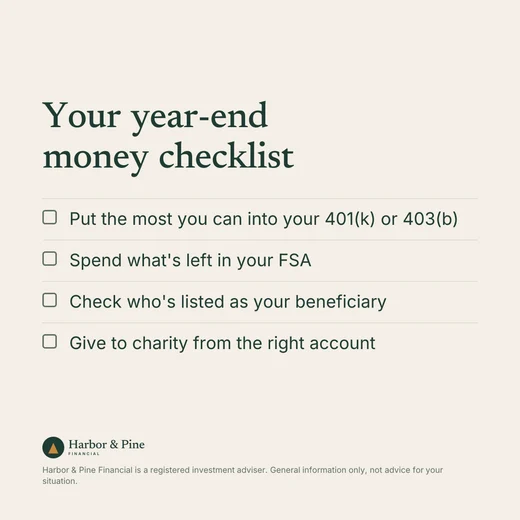
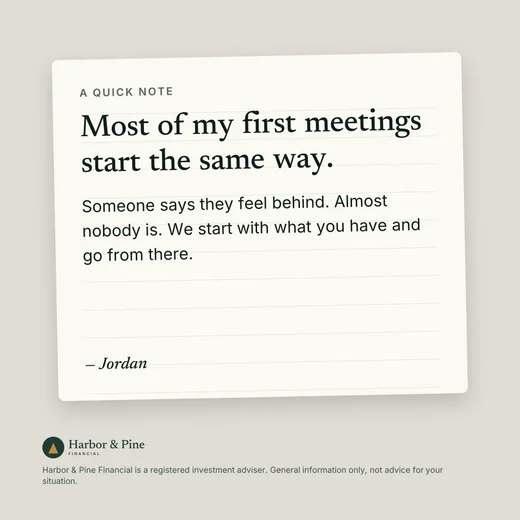
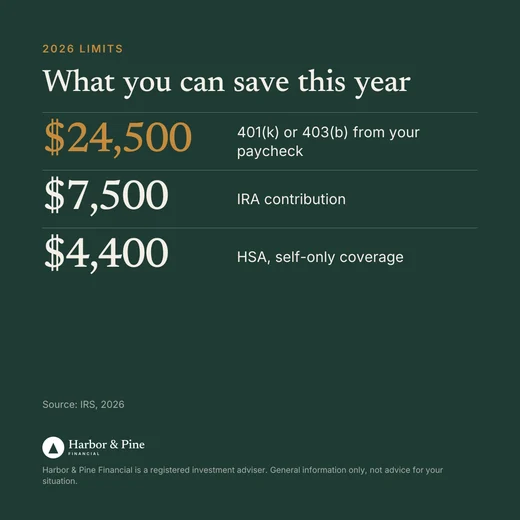
Paste your website once, and Watt drafts a week of posts with graphics in your voice and brand, ready for you to approve.
This week · ready for your review


Open now. Watt drafts a week of posts, emails and graphics in your voice, with no client data needed.
Start your 7-day free trialWhat Comes Next
This article covers the foundation: pick a tool, build your voice template, set up compliance guardrails, create your first post, and build a routine.
If you want to go deeper, there are two directions you can take.
The teaching route: I publish a framework and a prompt for financial advisors using AI every week on Substack, free. Every issue teaches a specific skill you can use that day. Topics range from writing LinkedIn posts that sound like you to building referral systems with AI to creating client newsletters that actually get read.
You can subscribe at amplifyforadvisors.substack.com.
The tools route: I've built a set of AI Skills that run inside Cowork in Claude's desktop app. They handle the work for you: one Skill builds your complete Voice Template in 30 minutes, another scans your niche for content gaps and builds a prioritized content plan, another creates finished content for any platform from three simple choices, and another takes one piece of content and distributes it across five platforms. Each Skill reads your Voice Template so the output sounds like you, and each one includes compliance guardrails. Skills are included with a paid Amplify for Advisors subscription.
Whichever direction you choose, the hardest part is already behind you. You're here, you're thinking about this, and you're willing to try. Most advisors never get this far.
Start with the Voice Template. Everything else builds from there.

Sam is the creator of Amplify for Advisors and Watt, the Amplify for Advisors Agent. A former RIA owner whose work has been featured in Forbes, NerdWallet, Nasdaq, and more, he teaches financial advisors to use AI in their own voice while staying compliant.