If you've tried using AI to write a LinkedIn post or draft a client email and the result sounded like it could have come from any advisor on the internet, you're not doing anything wrong. You're just missing a few pieces of context that AI needs before it can sound like you.
Most advisors start with something like "write a LinkedIn post about why estate planning matters for young families" and get back something that opens with "In today's financial landscape" and closes with "Don't let this critical opportunity pass you by." It's technically accurate. It's also something no real person would ever say to another person.
The good news is that fixing this is simpler than you might expect. It's not about switching to a better AI tool or learning to code. It's about learning how to give AI the right context before you ask it to write. A few small changes to how you set up your prompts can turn AI from something that produces generic filler into something that actually sounds like you.
This article walks through the elements that matter most, why they work, and how to start building prompts that produce content you'd be comfortable putting your name on.
Why Most AI Output Sounds the Same
AI models are trained on enormous amounts of text from the internet. When you give them a generic prompt, they give you a generic response. That's not a flaw. That's exactly what they're designed to do. Without specific direction, they default to the most common patterns they've seen, which means your LinkedIn post sounds like a thousand other LinkedIn posts about the same topic.
For financial advisors, this problem is even more pronounced. AI has seen countless examples of financial content that uses words like "optimize," "holistic," "leverage," and "navigate your financial journey." Those words show up constantly in advisor marketing. So when you ask AI to write like a financial advisor, that's exactly what it gives you.
The result is content that sounds like it was written by a compliance department, not a human being who actually sits across from people and helps them figure out their money.
The good news is that this is a solvable problem, and it doesn't require any technical expertise. It requires telling AI who you are, how you talk, and what you need before you ask it to produce anything.
The Four Elements Every Financial Advisor Prompt Needs
There are four things that separate a prompt that produces usable content from a prompt that produces something you'd never post. Each one addresses a specific reason why AI defaults to generic output.
1. Your Voice
This is the most important element and the one most advisors skip entirely. AI doesn't know how you talk. It doesn't know that you start conversations with stories instead of statistics. It doesn't know that you say "figure it out" instead of "navigate challenges." It doesn't know that your clients call you by your first name and you call them by theirs.
If you don't tell AI these things, it will fill in the gaps with the most common patterns it's seen. And those patterns sound like every other advisor.
A voice section in your prompt tells AI your tone (conversational, formal, somewhere in between), the words you actually use, the words you never use, how long your sentences tend to be, and how you open and close a piece of content. The more specific you are, the closer the output gets to something that sounds like it came from you.
Some advisors build a full voice guide that they paste into every prompt. Others include a shorter version with just the key patterns. Either approach works as long as the information is there.
2. Your Audience
AI doesn't know who you're writing for unless you tell it. "Write a LinkedIn post" is very different from "Write a LinkedIn post for financial advisors who serve tech employees navigating equity compensation." The first produces something broad. The second produces something specific that speaks to a real person with a real problem.
This matters beyond just content creation. If you're drafting a client email, telling AI that this client is a retired couple who just sold their business gives it context to adjust the tone, the level of detail, and the emotional register. A client email to a 30-year-old tech worker should sound different from a client email to a 65-year-old retiree, and AI can make that adjustment if you give it the information.
Your audience context should include who the reader or recipient is, what they care about, what they're worried about, and what stage of the relationship they're in. A prospect who's never heard of you needs a different tone than a client you've worked with for ten years.
3. Compliance Guardrails
This is where financial advisor prompts need to be fundamentally different from prompts in any other industry. Advisors operate under compliance requirements that AI knows nothing about unless you explicitly spell them out.
Without compliance instructions, AI will confidently tell your audience what they "should" do, make predictions about outcomes, recommend specific products, and use language that crosses the line from education into advice. All of which could create real problems for your practice.
A compliance section in your prompt tells AI to stay educational rather than prescriptive, use qualifying language like "may," "could," or "depending on your situation," avoid guarantees or predictions about specific results, frame content through opinion rather than directive ("I believe" instead of "you must"), and keep client stories anonymized with changed details.
This doesn't have to be long. A few clear sentences about what AI should and shouldn't do from a compliance perspective changes the output significantly. The goal is for compliance language to feel woven into the writing naturally, not bolted on as a disclaimer at the bottom.
4. Format and Structure
The final element is telling AI exactly what you want the output to look like. "Write a LinkedIn post" leaves too much room for interpretation. How long should it be? Should it open with a story or a question? Should it end with a call to action or a reflective thought? Should it use bullet points or prose?
Being specific about format saves you editing time because the output arrives closer to what you actually need. Tell AI the approximate length, the opening style you prefer, whether you use bullet points or write in paragraphs, and how you typically close.
Different use cases need different format instructions. A LinkedIn post has different structural needs than a client email, which has different needs than a quarterly newsletter. The more precise your format instructions, the less time you spend reworking the output after the fact.
How to Structure a Prompt (The Practical Version)
A good financial advisor prompt has five sections, and they work in a specific order. Each section gives AI a layer of context that makes the output more specific and more usable.
Context first. Tell AI who you are, who your audience is, and what you're trying to accomplish. This sets the foundation for everything that follows. Something like: "You are a writing assistant for a financial advisor who serves physicians in their first five years post-residency. The advisor's tone is conversational and encouraging. The audience is young doctors who are smart but overwhelmed by financial decisions."
Voice instructions second. This is where you include your voice guide or a summary of your key voice patterns. The words you use, the words you avoid, your sentence length, your opening and closing preferences. AI reads this section and adjusts its entire writing style accordingly.
Compliance guardrails third. Your rules about staying educational, using qualifying language, anonymizing stories, and avoiding specific product recommendations. This section prevents AI from producing content that could create compliance issues.
The specific request fourth. Now you tell AI what you actually want. "Write a LinkedIn post about why young physicians should think about disability insurance before they think about investing." Or "Draft a follow-up email to a client after their annual review meeting." The request comes after all the context because AI uses everything above it to inform how it handles this specific task.
Format instructions last. Length, structure, tone adjustments for this specific piece. "Keep it under 200 words. Open with a specific scenario. No bullet points. End with a reflective question, not a call to action."
This order matters because AI processes prompts sequentially. The context and voice instructions at the top color everything that comes after. If you put the request first and the voice instructions at the bottom, AI may have already committed to a direction before it reads how you want it to sound.
Common Mistakes That Make AI Sound Robotic
Even with a solid prompt structure, there are a few patterns that consistently produce generic output.
Asking AI to "write like a financial advisor." This tells AI to pull from every piece of financial advisor content it's ever seen, which means you get the average of all of them. That average is corporate, stiff, and full of jargon. Instead, tell AI to write like a specific kind of advisor: warm, conversational, story-driven, whatever matches your actual personality.
Skipping the voice section because it feels redundant. It's not. AI has no memory between conversations (unless you've set up a project or persistent instructions). Every new prompt starts from zero. If you don't include your voice every time, the output reverts to generic.
Using AI's first draft as the final product. AI gets you 70 to 80 percent of the way there. The last 20 percent is your judgment, your edits, your feel for what's right. Advisors who treat AI output as a starting point rather than a finished product consistently produce better content than advisors who copy and paste.
Giving AI too little or too much to work with. A one-sentence prompt produces vague output. A 2,000-word prompt with conflicting instructions produces confused output. The sweet spot is enough context to be specific without so many competing directions that AI doesn't know what to prioritize.
Forgetting to specify what you don't want. AI is very responsive to negative instructions. Telling it "do not use the words leverage, optimize, holistic, or navigate" eliminates the most common AI tells in one line. Telling it "do not open with a statistic or a rhetorical question" prevents the two most overused opening patterns. What you exclude matters as much as what you include.
Different Prompts for Different Tasks
Financial advisors use AI for a range of tasks, and each one benefits from a slightly different prompt approach.
Content creation (LinkedIn posts, articles, newsletters): Lead with voice and audience. These are public-facing pieces where sounding like yourself matters most. Include examples of your previous writing if possible. AI calibrates much better when it can see how you've written in the past rather than just reading a description of how you write.
Client emails: Lead with the relationship context. Who is this client? What did you discuss in the meeting? What's the emotional tone you want to strike? Client emails need warmth and specificity that content prompts don't always require. Compliance guardrails are still important here, but the voice needs to shift toward your one-on-one communication style rather than your public writing style.
Meeting prep: Lead with the client's situation and what you want to accomplish. AI can help you think through talking points, anticipate questions, and organize your agenda. The output here isn't something your client will ever see, so the formatting can be looser. Focus on substance over style.
Repurposing existing content: Lead with the source material and specify the target format. If you're turning a newsletter into LinkedIn posts, paste the full newsletter and tell AI which platform you're targeting, how many pieces you want, and any constraints (length, tone adjustments, topics to extract). The source material gives AI far more to work with than asking it to create from scratch.
Watt, the Amplify for Advisors Agent
See Watt solve this.
Paste your website once, and Watt drafts a week of posts with graphics in your voice and brand, ready for you to approve.
This week · ready for your review
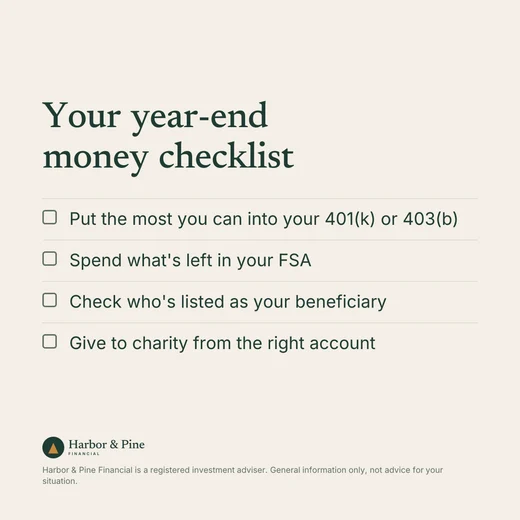

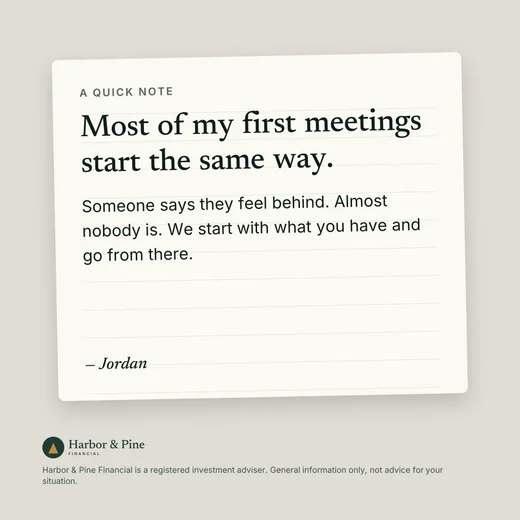
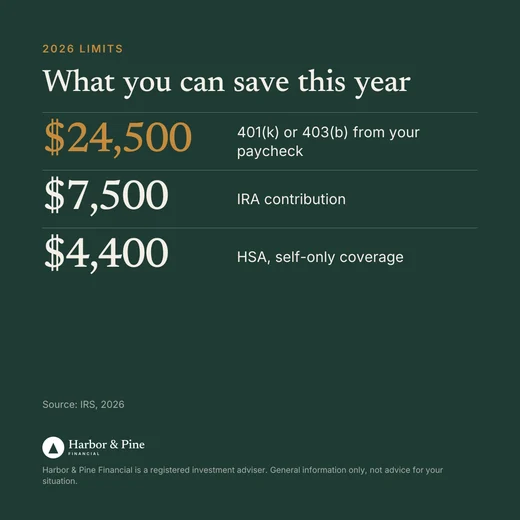

Open now. Watt drafts a week of posts, emails and graphics in your voice, with no client data needed.
Start your 7-day free trialWhy This Matters More Than Most Advisors Think
The advisors who figure out how to prompt AI effectively aren't just saving time. They're building a system that compounds. Every piece of content they create reinforces their expertise. Every client email strengthens the relationship. Every meeting is better prepared.
The advisors who keep using generic prompts will keep getting generic output, and they'll eventually conclude that AI doesn't work for their practice. It does work. It just needs better instructions.
The investment is worth it. Spend an hour building your voice guide. Spend another hour writing your compliance guardrails. Save those as reusable documents you paste into every prompt. From that point forward, every interaction with AI starts from a foundation that's specific to you, your practice, and your clients.
That's the difference between AI that feels like a gimmick and AI that feels like the most useful tool you've added to your practice in years.

Sam is the creator of Amplify for Advisors and Watt, the Amplify for Advisors Agent. A former RIA owner whose work has been featured in Forbes, NerdWallet, Nasdaq, and more, he teaches financial advisors to use AI in their own voice while staying compliant.