There's a specific kind of hope that comes with buying the thing. The treadmill that's finally going to fix your mornings, or the language app that's going to make you fluent by spring. Buying it feels like progress. Using it is the part that actually counts, and the two get confused all the time.
The wealth management industry had that exact realization about AI this week. Firms are spending enormous sums, and a lot of them still can't tell you what they're getting back.
Three stories from this week that matter for your practice.
Everyone Is Spending on AI. Almost Nobody Can Prove It's Working.
On Friday, InvestmentNews reported on a national survey from the consultancy F2 Strategy covering firms that represent $31 trillion in assets. The finding is a little startling. Spending on AI has climbed sharply over the past three years, yet most firms have never set up a real way to measure what those projects return, and among the bank and trust respondents, not a single one had. Drawing on data from 40 leading RIAs and wealth firms and broker-dealers, the report found that 64% of wealth management firms don't have the unified data foundation that makes AI work well in the first place. F2's Doug Fritz described the connection between what firms spend on AI and the value they can actually point to as loose at best. Here's the encouraging half, though. Among the firms that do measure, 68% reported getting 25% more efficiency in the workflows they aimed at.
Why you should care: The firms winning with AI have one thing in common, which is that they can actually see what they're getting. And seeing what you're getting is something a small practice is better at than a giant one. When you run a client email through a workflow and it saves you 20 minutes, you feel that in your actual afternoon. You don't need a measurement framework or a data science team, because you are the measurement framework. A billion dollar firm can lose track of whether its AI spend is working. You will know by Thursday. Being able to see your own results that clearly is one of the quiet advantages of running a small shop, and this is a week to use it.
An AI Is Grading Advisor-Client Conversations Now.
On Friday, WealthManagement.com reported that Zeplyn, a wealth-tech operating system built by former Google engineers, launched a feature called Advisor Coaching. It automatically scores every advisor-client conversation against a customizable rubric, rates each meeting against a firm's own success criteria, and surfaces coaching tips tied to specific moments in the call, all without a manager sitting in or reading a transcript line by line. There's more to it than scoring, though. Advisors can use the same system to role-play a tough conversation with the AI playing the client, then get a short prep sheet before the real thing. It runs on a per-seat price and is aimed mostly at firms managing a team.
Why you should care: Stay with the idea for a second, because it cuts two ways. Used well, an AI that reviews your own calls is a patient coach who catches the filler phrase you lean on or the question you forgot to ask, and the role-play feature is a genuinely smart way to prepare for a conversation you're dreading. Used carelessly, it's a scorecard someone else runs on the most human part of your job, and a rubric can't hear the pause that meant a client was scared. My take is to reach for the mirror before anyone hands you the scorecard. You don't need the enterprise product to get the good part of this, because you can practice a hard conversation and get feedback on your own communication today, on your own terms. The tool can grade the words. The trust in the room is still yours to earn, and no rubric measures that.
One Argument This Week: Trade Endless AI Experiments for a Single Real Plan.
Writing in ThinkAdvisor on Monday, Mike Wilson made a point that fits this week perfectly. A lot of RIAs are stuck running one-off AI experiments, a prompt here and a shiny tool there, and calling that a strategy. His prescription is to move past generic tools and scattered prompts toward workflows that are secure, auditable, and human-led. The advice that stands out for a small firm is where to begin. Skip the flashiest use case, and start instead with the most obvious source of friction in your operations, the thing that reliably eats your time, then build one dependable process around it. Keep your own judgment in charge rather than handing it to the tool. Then measure what that one change actually did.
Why you should care: This is the calm counterweight to a week full of billion dollar budgets and enterprise coaching platforms. You don't need any of that to do the one thing that divides firms getting value from firms only spending. Pick your single biggest point of friction, whether that's meeting follow-ups, the recurring email you rewrite constantly, or prep for client reviews, then build one solid, repeatable workflow around it with your judgment still steering. One finished workflow you actually trust beats ten experiments you abandoned. The firms pulling ahead this year share a simple habit, which is that they picked a real problem and saw one solution all the way through.
Watt, the Amplify for Advisors Agent
See Watt solve this.
Paste your website once, and Watt drafts a week of posts with graphics in your voice and brand, ready for you to approve.
This week · ready for your review


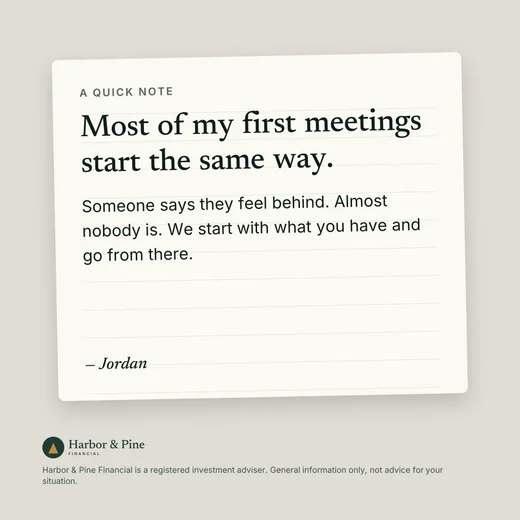
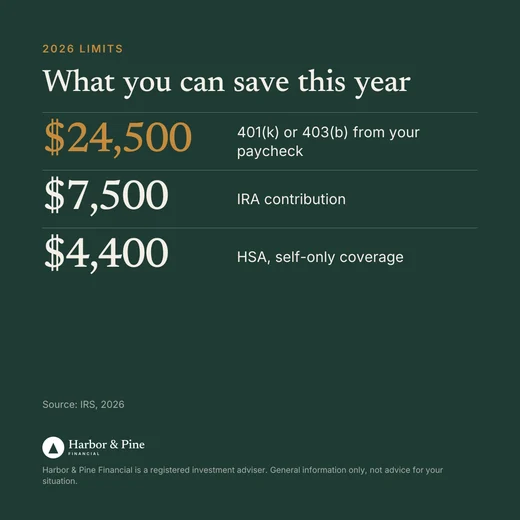

Open now. Watt drafts a week of posts, emails and graphics in your voice, with no client data needed.
Start your 7-day free trialONE THING TO TRY THIS WEEK
The enterprise version of this costs a monthly seat fee. The useful core of it is free, and it's one of the best uses of AI that has nothing to do with content. Rehearse a hard client conversation before you have it, with AI playing the client.
Step 1. Pick a real conversation you've got coming up, or one you tend to dread. A fee increase, explaining a year the portfolio trailed the market, a couple that disagrees about risk, or telling someone their plan doesn't support the retirement date they want.
Step 2. Open Claude or Cowork and paste this, filling in your own situation. "I'm a financial advisor and I want to rehearse a difficult client conversation before I have it. Play the client. The situation is [describe it]. React the way that kind of person realistically would, pushback included, and don't make it too easy on me. After we go a few rounds, step out of character and tell me where I got defensive, buried the point, or missed a chance to show I understood them. Then give me a short prep sheet with the one thing to lead with, two phrases worth using, and one trap to avoid. Keep this as general education, not specific investment advice, and don't use any real client names or identifying details."
Step 3. Run it a couple of times, because the second attempt is always better than the first. Keep the phrases that sound like you, drop the ones that don't, and walk into the real conversation having already had it once.

Sam is the creator of Amplify for Advisors and Watt, the Amplify for Advisors Agent. A former RIA owner whose work has been featured in Forbes, NerdWallet, Nasdaq, and more, he teaches financial advisors to use AI in their own voice while staying compliant.