The Indianapolis 500 runs today, which feels about right.
Thirty-three cars, everyone going as fast as they possibly can, and the winner is usually the one who didn't crash. The AI race in wealth management is starting to look the same way.
KPMG put Claude directly in front of its tax clients this week. Envestnet showed off AI that reads a PDF statement straight into a proposal. Moment raised another $78 million for agents that scan client accounts on their own. And underneath all of it, a compliance deadline most advisors haven't noticed is two weeks out.
Speed is fun to watch. Knowing where the wall is matters more.
KPMG Just Put Claude in Front of Its Tax Clients. The Firm That Audits Half the Industry Made Its Pick.
KPMG announced a global alliance with Anthropic on Monday, putting Claude into Digital Gateway, the platform where its tax and legal client work actually happens. All 276,000 KPMG employees get access, and the firm is naming Anthropic a preferred partner for private equity work. The detail worth sitting with came from KPMG's Vice Chair of Tax: building an AI agent to help clients adjust to changing tax regulations used to take weeks of jumping between tools, and now it takes minutes. When the firm that audits a large share of the financial industry picks an AI partner and builds client tax tools on top of it, that's not a press release. That's the floor moving under everyone who does tax-adjacent planning work.
Why you should care: Your clients with business interests are likely touched by KPMG somewhere. The tax planning conversations they have are about to be informed by AI-built analysis. That doesn't replace what you do. It does mean the baseline of what a client expects from a planning conversation is rising, and you want to be ahead of it rather than surprised by it.
Envestnet's New AI Reads a Client's PDF Statement Straight Into a Proposal. Here's What That Actually Saves You.
At Envestnet Elevate 2026 in Phoenix on Tuesday, the firm rolled out its second technology release of the year, and one feature stands out for anyone who has ever rebuilt a held-away account by hand. Advisors can now upload a client's PDF statement and the platform identifies the accounts and holdings, prompts for review where it's unsure, and drops the data into the proposal workflow. No manual entry, no Excel template, no squinting at a custodian statement at 9pm. Envestnet also added an AI explainability (is that even a word?) layer that writes a plain-language narrative across dashboards, so the "why" behind a performance number shows up without you assembling a report to find it. The whole pitch is moving from analytics you have to interpret to insights that arrive already interpreted.
Why you should care: If you're on Envestnet, the PDF-to-proposal feature is the one to test first. The clients who come to you with accounts spread across three custodians are exactly the ones who used to cost you an evening of data entry. That evening is the thing AI is genuinely good at giving back to you.
Moment Raised $78 Million for AI Agents That Scan Client Accounts on Their Own. Edward Jones and LPL Are Already Using It.
Moment closed a $78 million Series C on Tuesday, led by Index Ventures. The platform builds custom portfolios from plain-language instructions and runs what it calls surveillance agents, which scan thousands of accounts to find tax, risk, and transition opportunities, then turn them into proposals an advisor can act on. The number that tells the real story is the growth one: Moment says it went from powering $300 billion in assets to more than $10 trillion in under 18 months, with Edward Jones, LPL, and Hightower among its users. Worth noting alongside that, PYMNTS research this week found only about 20% of consumers would let an autonomous AI manage their banking. The institutions are racing toward agents. The clients are still deciding how much rope to give them.
Why you should care: Agentic monitoring that surfaces opportunities before you've looked for them is becoming standard at the enterprise level. You don't need a $78 million platform to get the benefit of the idea. The benefit is the habit: regularly asking what's sitting unaddressed across your client base. AI can help you build that habit even if you're a solo advisor.
The AI Compliance Deadline Many Smaller RIAs Haven't Noticed Is June 3rd. That's Two Weeks Away.
Here's the one with an actual date on it. The 2024 Regulation S-P amendments carry a compliance deadline for smaller advisor firms of June 3, 2026, and if you're using any vendor platform with AI embedded in it (an AI meeting notetaker, an AI email assistant, an AI proposal generator), you have vendor oversight obligations under that rule. Separately, the SEC's 2026 examination priorities name AI governance directly, and examiners are already walking into RIA offices asking for three things: a written AI acceptable use policy, vendor oversight documentation, and records showing that AI-assisted recommendations get human review before they reach a client. No new rule created this. The existing advisor oversight framework already covered it.
Why you should care: This is the kind of deadline that's easy to miss because nobody is selling you anything around it. If you're a smaller RIA, the honest move this week is a short conversation with your compliance person about whether you have an AI acceptable use policy written down. If the answer is no, you have about two weeks, and that's still enough time.
Watt, the Amplify for Advisors Agent
See Watt solve this.
Paste your website once, and Watt drafts a week of posts with graphics in your voice and brand, ready for you to approve.
This week · ready for your review
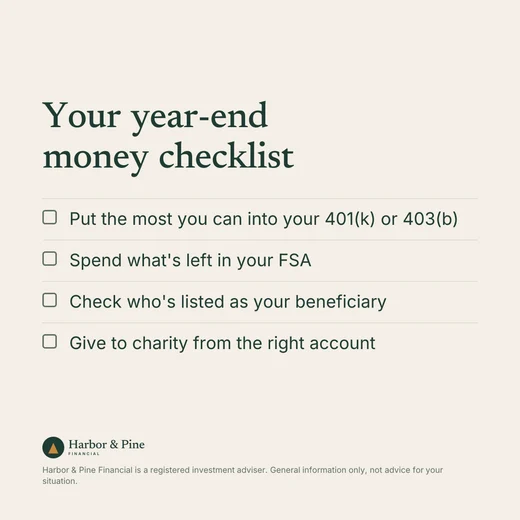

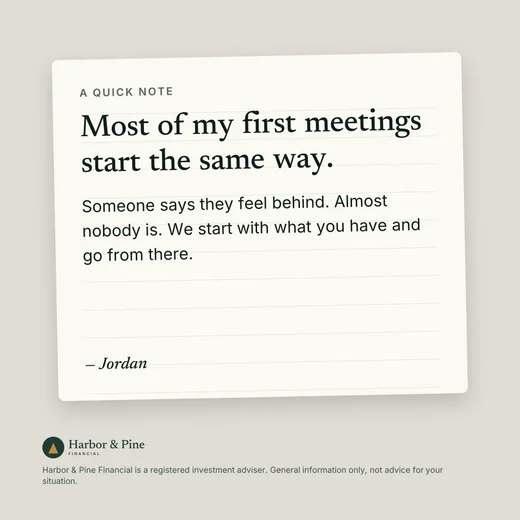
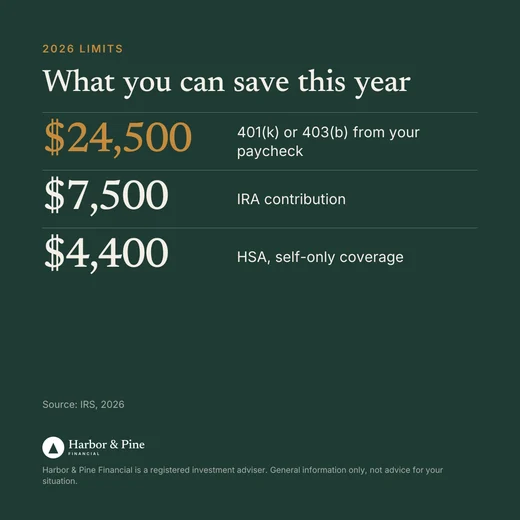

Open now. Watt drafts a week of posts, emails and graphics in your voice, with no client data needed.
Start your 7-day free trialONE THING TO TRY THIS WEEK
You don't need to wait on your compliance department to start. A first draft of an AI acceptable use policy is something you can put together in about 15 minutes, and having a draft makes the compliance conversation faster and far more productive.
Open Claude or ChatGPT and paste this prompt: "I run a small RIA. Draft a one-page AI Acceptable Use Policy I can review with my compliance officer. Include four sections: approved AI tools and what each is used for, prohibited uses, what requires supervisory approval before use, and how AI-assisted client recommendations get human review before reaching a client. Write it in plain language, not legal jargon. Leave bracketed blanks where I need to fill in firm-specific details. This is a starting draft for my compliance officer to review and finalize, not a final policy."
You'll have a working draft in about 15 minutes. It is a starting point for a professional conversation, not a substitute for one, and your compliance officer makes the final call. But walking into that conversation with a draft beats walking in empty-handed.

Sam is the creator of Amplify for Advisors and Watt, the Amplify for Advisors Agent. A former RIA owner whose work has been featured in Forbes, NerdWallet, Nasdaq, and more, he teaches financial advisors to use AI in their own voice while staying compliant.