Paris Saint-Germain just won the Champions League final for the second year in a row.
Whether or not you follow soccer, the pattern is the one to notice. Back-to-back titles, against a strong opponent, on a stage where margins are tiny. That's also the week Anthropic shipped its second Opus release in 41 days, the fastest cadence the company has run in years. Different sport, same lesson. The teams winning right now aren't the ones with the biggest single moment. They're the ones that keep showing up.
Three stories from this week that matter for your practice.
Anthropic Shipped Claude Opus 4.8. The Upgrade That Matters Most for Advisors Is Honesty.
Anthropic released Claude Opus 4.8 on Thursday, the second Opus model in 41 days. The headline numbers are stronger agentic coding, "agentic financial analysis" called out by name (a category Anthropic didn't name in prior releases), and a new Effort Control feature inside Claude.ai and Cowork that lets you dial thinking time from low to max. The upgrade that matters most for advisors is buried further down. Early testers report the model is more likely to acknowledge when it doesn't have enough information and less likely to confidently make things up.
Why you should care: An AI that flags uncertainty instead of guessing is an AI you can put closer to your client work. The honesty improvement changes which tasks you're willing to hand off. If you've held back on certain drafts because the AI was too confident about things it shouldn't have been, Opus 4.8 is worth testing this week.
200 Firms Just Got Surveyed About AI in Compliance. The Results Should Make You Sit Up.
ACA Group released a survey on Wednesday of more than 200 U.S. financial services firms, and the headline is that AI use in compliance is widespread but shallow. Almost everyone is experimenting, and almost nobody has it embedded in actual workflows. ACA's head of AI advisory put it cleanly. As agentic AI starts taking autonomous actions inside firms, governance has to come first, and firms should think about AI agents the way they think about new employees, with defined permissions, clear scope, and oversight built in from day one.
Why you should care: The advisors writing AI governance policies right now are getting ahead of where examiners are heading. The advisors waiting for someone else to figure it out are going to be the ones scrambling when their next SEC visit asks about AI oversight. A written AI acceptable use policy is a 15-minute draft, not a six-month project. Start there.
PSG Won the Champions League Two Years Running. The Lesson Has Nothing to Do With Soccer.
Paris Saint-Germain beat Arsenal 4-3 on penalties in Budapest on Saturday, becoming only the second club to win back-to-back Champions League titles. Arsenal scored in the sixth minute, defended brilliantly for 90 plus extra time, and lost on a missed penalty in the shootout. Manager Luis Enrique built this PSG team without a single megastar after Mbappé left, and built it on relentless system rather than individual brilliance.
Why you should care: This is the part that's about your practice, not soccer. The team that won back-to-back didn't have the most talent on paper. It had the most repeatable approach. The single best content week of your year matters less than your fortieth okay week in a row. The discovery call you have next Tuesday matters less than the rhythm of discovery calls you have over six months. Consistency isn't a soccer cliché. It's the only strategy that compounds.
Watt, the Amplify for Advisors Agent
See Watt solve this.
Paste your website once, and Watt drafts a week of posts with graphics in your voice and brand, ready for you to approve.
This week · ready for your review


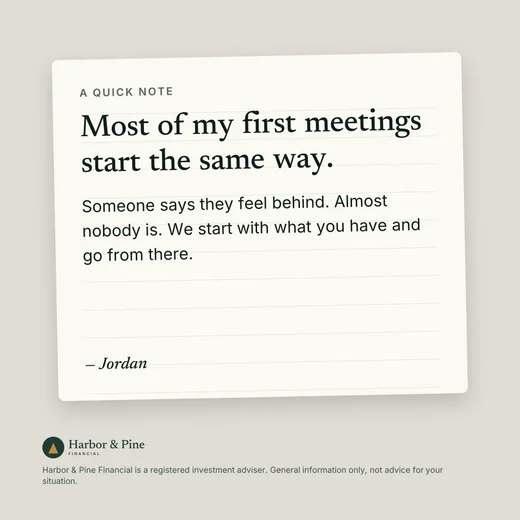
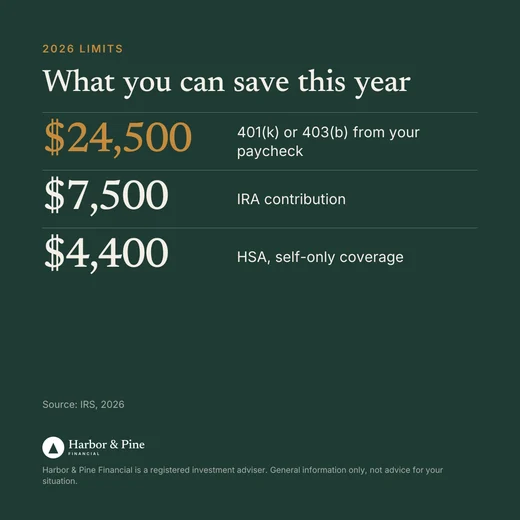
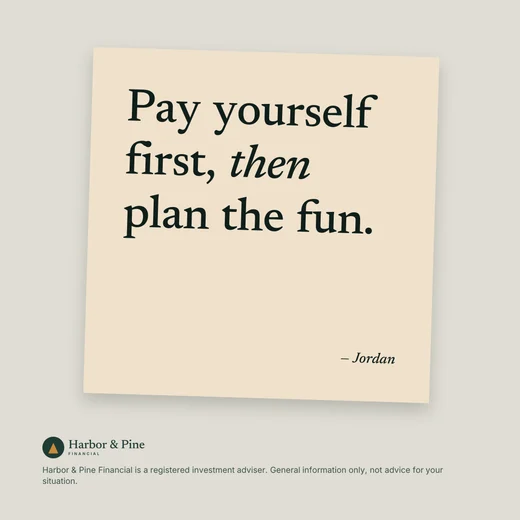
Open now. Watt drafts a week of posts, emails and graphics in your voice, with no client data needed.
Start your 7-day free trialONE THING TO TRY THIS WEEK
Test Opus 4.8's honesty improvement on a planning question you already know the answer to. Pick a question where the right answer depends on details you're deliberately leaving out, and see whether the model asks for them or just guesses.
Open Claude or Cowork and try this: "I'm a financial advisor and I want to test your ability to handle uncertainty. I'll ask you a planning question where the right answer depends on details I'm leaving out. Tell me what additional information you'd need before giving me a useful answer. Only after I provide it should you offer a recommendation. Don't fill in the missing pieces with assumptions."
Then ask: "Should my client convert their traditional IRA to a Roth this year?"
A weaker model fills in the blanks and gives you a confident answer. A stronger model asks about current tax bracket, expected future bracket, cash available to pay the tax, and time horizon before answering. Test which one Opus 4.8 is. If it asks the right questions before answering, that's the model you want in your workflow this week.

Sam is the creator of Amplify for Advisors and Watt, the Amplify for Advisors Agent. A former RIA owner whose work has been featured in Forbes, NerdWallet, Nasdaq, and more, he teaches financial advisors to use AI in their own voice while staying compliant.