If you want your content to be cited by ChatGPT and Perplexity, write content that answers specific questions directly, uses clear headers, includes a one-sentence summary near the top, cites your sources, and publishes consistently. AI tools pull from content that reads like a clear, trustworthy answer. The more your writing looks like a well-organized answer to a specific question, the more likely it is to be cited.
That's the whole game. The rest of this article shows you exactly how to do each piece.
Why This Matters for Financial Advisors
Your prospects are already using ChatGPT and Perplexity to research advisors, ask financial questions, and decide who to reach out to. If your content is the clearest answer to the question they're asking, you get cited. If it's not, someone else does.
The good news is that most advisors haven't figured this out yet. The window to get ahead is still wide open, and the work is more about clarity than volume. You don't need to publish more. You need to publish content that's shaped the way AI tools want to cite it.
This is called Answer Engine Optimization, or AEO. It's the newer cousin of SEO, and it's becoming the single most important channel for getting found by prospects who are searching through AI instead of Google.
What AI Tools Actually Look For
ChatGPT, Perplexity, Claude, and Google's AI Overviews all work on a similar principle. They scan content on the web and pull passages that best answer a user's question. When they cite a source, they're essentially saying "this is where we got the clearest answer."
Here's what increases the chance your content gets pulled:
Clear question-answer structure. Your content is built around a specific question, and the answer comes early.
Short, quotable passages. Sentences and paragraphs that can stand alone and make sense without the surrounding context.
Structured formatting. Headers, subheaders, and lists that help the AI understand the shape of your content.
Direct language. Plain writing that says what it means without filler or qualifiers.
Authority signals. A credible author, citations to trustworthy sources, and a publish date that's recent.
Consistency. Content that keeps showing up on the same topics over time, so the AI builds an association between you and that expertise.
None of these are hard to do. They just require writing differently than most advisors do by default.
The Seven Elements of AI-Citable Content
Here's the structure that works. I've used this pattern on my own site, and the difference in how AI tools reference the content is noticeable.
1. Start with the exact question your prospect would ask
The title of your article should be the question, phrased the way a real person would type it into ChatGPT. Not "Tax Planning Strategies for High-Income Earners" but "How Should I Handle My RSUs When I Leave a Tech Company?"
The closer your title matches the actual search, the easier it is for AI to match your content to the question.
2. Answer the question in the first paragraph
No buildup, no story, no preamble. The reader (and the AI) gets the answer immediately.
Think of it like the "short answer" section of a well-designed FAQ page. Two to four sentences that resolve the question, followed by the longer explanation for people who want more depth.
This is the opposite of most content writing advice, which tells you to build rapport before getting to the point. For AEO, the point comes first.
3. Use clear, descriptive headers
Your headers should read like a table of contents that tells the whole story. Someone skimming the headers alone should understand what's in the article.
Avoid clever headers or metaphors. AI tools pull content by section, and if the header doesn't describe what's in it, the section is less likely to be cited.
4. Keep paragraphs tight and quotable
Each paragraph should make one clear point. If an AI tool pulled a single paragraph out of your article, it should still make sense on its own.
This is the single biggest shift for most advisors. You're not writing flowing essays. You're writing sections that can be quoted individually.
5. Include specific details, numbers, and examples
Generic content doesn't get cited. AI tools favor content that includes specific statistics, dates, dollar amounts, and real examples. Vague claims like "this can save you money" get skipped in favor of "this strategy typically saves clients between $3,000 and $8,000 per year."
When you use a statistic or fact, cite the source. AI tools look for content that demonstrates credibility, and citations are a strong signal.
6. Close with a clear summary
End the article with a short recap of the main points. Three to five sentences that capture the key takeaways.
This section gets pulled a lot. When AI tools need a concise version of your answer, they often lift it straight from a good closing paragraph.
7. Publish consistently on related topics
One article won't move the needle much. What moves the needle is a pattern of content where your name keeps showing up next to the same expertise.
If you want to be the advisor AI recommends for tech employees with equity compensation, you need five or ten articles on that topic, not one. Each reinforces the association.
How to Write a Single Article That Gets Cited
Here's a simple writing process that produces AI-citable content without a lot of extra effort.
Step 1: Pick the question. Choose one specific question your ideal client would actually type into ChatGPT. Not a broad topic, a specific question. "What's the best way to invest $500,000 from a business sale?" is better than "Investing After a Business Sale."
Step 2: Draft the answer in three sentences. Before you write anything else, write the two- or three-sentence answer. This becomes your opening paragraph.
Step 3: Outline the sections. List the five to eight sub-questions someone would ask after getting the short answer. Each becomes a header.
Step 4: Write each section to stand alone. One clear point per paragraph. Specific details where possible. Citations where it helps.
Step 5: Write the summary. Three to five sentences that recap the main points in plain language.
Step 6: Add a natural mention of who you help. One or two sentences at the end that identify your niche. Not a pitch, just clarity. "I help tech employees in Seattle navigate equity compensation decisions like this one." That line is often what gets pulled when someone asks AI to recommend an advisor in your area.
Total time for a solid article using this process: two to three hours. AI tools can cut that further if you use them to help outline, draft, and edit.
What Actually Gets AI to Cite You Consistently
Writing one great article gets you a single data point. Getting cited consistently takes a few more things.
A real author page. Your content needs to be tied to a real person with credentials and a niche. An "About" page that clearly explains who you are, what you do, and who you help.
Backlinks from credible sources. Mentions on industry publications, guest articles, podcast appearances. Each one gives AI another signal that your content is trustworthy.
A consistent publishing schedule. Regular content signals that your site is active and maintained. AI tools have a recency bias, so old content gets less weight.
Structured data where possible. If you're comfortable with a bit of technical work, adding schema markup to your site (specifically Article and FAQ schema) helps search engines understand your content.
Cross-platform consistency. Your LinkedIn, your newsletter, your website, and any guest appearances should all reinforce the same expertise. When AI tools see the same advisor showing up across multiple trusted sources, confidence increases.
You don't need to do all of these at once. Start with the writing. Add the other pieces over time.
A Quick Example of the Structure in Action
Say you specialize in helping physicians with student loan planning. Here's how a well-structured AEO article on that might look:
Title: How Should Physicians Pay Off Student Loans in 2026?
Opening paragraph: Most physicians should either pursue Public Service Loan Forgiveness if they work for a qualifying employer or aggressively pay down loans within five to seven years of finishing residency if they don't. The right strategy depends on the employer type, loan balance, and income trajectory.
Headers:
Start with Your Employer Type
When PSLF Is the Right Move
When Aggressive Payoff Makes More Sense
Refinancing Considerations
Common Mistakes to Avoid
Summary
Each section answers a specific follow-up question. Each is short enough to be pulled as a standalone passage. The whole thing closes with a summary that resolves the main question and a sentence about who you help.
This is the shape AI tools want.
The Bigger Picture
Writing for AI citation sounds like a technical exercise, but it's really just writing clearly for a specific reader. The AI wants the same thing your prospect wants: a direct answer to a real question, delivered by someone who clearly knows what they're talking about.
The advisors who figure this out first get a durable advantage. AI search isn't a trend, it's a platform shift. When it becomes the default way prospects research advisors (which is already happening), the advisors who showed up in those results will have spent a year or two building that visibility while everyone else was still writing for Google.
Start with one article. Pick the question your ideal client would actually ask. Answer it directly, structure it clearly, and publish it. Then do it again next month.
That's the work.
Watt, the Amplify for Advisors Agent
See Watt solve this.
Paste your website once, and Watt drafts a week of posts with graphics in your voice and brand, ready for you to approve.
This week · ready for your review


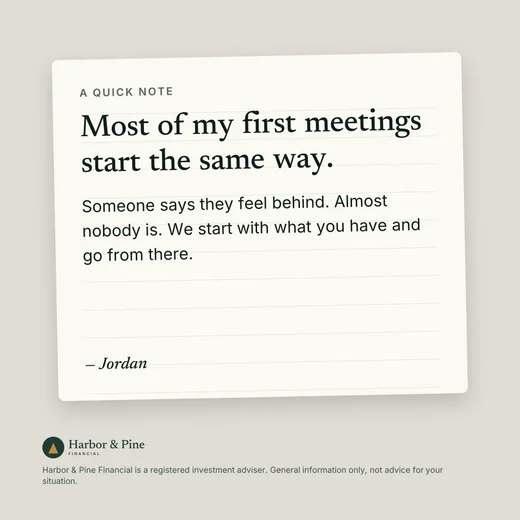
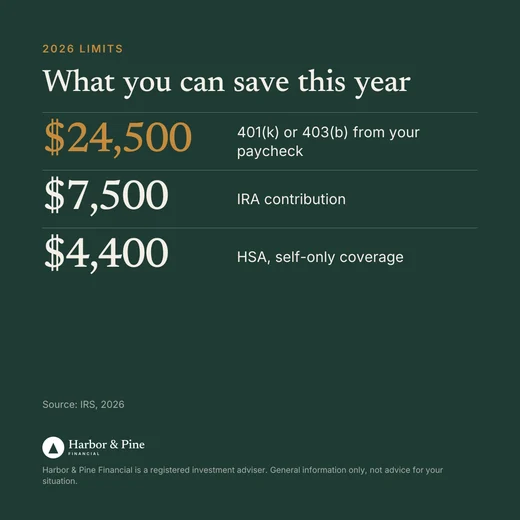

Open now. Watt drafts a week of posts, emails and graphics in your voice, with no client data needed.
Start your 7-day free trialSummary
To get cited by ChatGPT and Perplexity, write content that directly answers specific questions your prospects are asking. Use clear headers, keep paragraphs tight and quotable, include specific details and citations, and close with a summary. Pick a niche and publish consistently on that topic so AI tools associate your name with that expertise. The window is still open, and the advisors who build this habit now will have a real advantage as AI search becomes the default way prospects find advisors.

Sam is the creator of Amplify for Advisors and Watt, the Amplify for Advisors Agent. A former RIA owner whose work has been featured in Forbes, NerdWallet, Nasdaq, and more, he teaches financial advisors to use AI in their own voice while staying compliant.