Yes, financial advisors can use AI meeting notetakers in a compliant way, and a bunch of your peers already do. The catch is that compliance gets decided before the meeting ever starts, through the consent you gather, the records policy you set, and the vendor you choose.
You've probably felt the pull yourself. You're tired of typing meeting notes at 9 pm, the tool looks great in the demo, and then the compliance question comes up and the whole thing stalls. Nobody wants to be the test case.
The good news is that the rules here are more knowable than they look. This article walks through the four questions that matter and ends with the policy decisions worth making this week.
Do Clients Have to Consent Before an AI Notetaker Joins the Meeting?
The safest answer is that everyone in the meeting should know the notetaker is there and agree to it before recording starts. Wiretap statutes in eleven states, including Massachusetts and New Hampshire, require consent from every participant before a conversation can be lawfully recorded, according to an analysis by the law firm McLane Middleton. And since your clients can join a video call from anywhere, building your practice around the strictest standard is a lot simpler than trying to figure out which state everyone happens to be in that day.
Consent laws are only part of it. Privacy laws in roughly twenty states require consent before collecting certain kinds of sensitive personal information, and review meetings wander into that territory all the time. Health, kids, family plans. A real planning conversation is exactly what those statutes were written to protect.
The practical fix takes about five minutes. Add a line to your meeting invitations noting that an AI assistant will join to take notes, then confirm out loud at the start of the meeting and give people an easy way to opt out. Written consent is the stronger position, and the Kitces research on notetakers recommends getting it before recording client conversations.
A client who feels asked will almost always say yes. A client who feels surprised may remember the surprise a lot longer than the meeting.
Does the SEC Treat AI Meeting Notes as Required Records?
If you're an SEC-registered investment adviser, some of your AI meeting notes probably qualify as required books and records. Rule 204-2 under the Advisers Act covers transcribed information of any type, whether expressed in ordinary or machine language, and an April 2026 analysis from the law firm Cooley concluded that AI-generated transcripts can fall squarely inside that definition when they document things like investment advice, trade recommendations, or compliance reviews.
Worth noting, the Cooley analysis pushes back on two instincts advisors tend to have. The first instinct says a transcript that never gets sent to anyone stays outside the rule, and that turns out to be wrong. If the transcript is the only documentation of a required compliance activity, it may be a required record whether or not it was ever transmitted.
The second instinct says keeping everything forever is the safe move, and that turns out to be wrong too. Transcripts you weren't required to keep simply hand examiners more material to work through (more homework, voluntarily assigned to yourself). A deliberate retention policy beats an accumulate-everything reflex.
And the rulebooks differ, so precision matters here. The SEC governs registered investment advisers, while FINRA governs broker-dealers, and FINRA's 2026 Regulatory Oversight Report added a specific focus on AI. If you're a registered rep, your firm's policy comes first, and a bunch of broker-dealers are still deciding which notetakers they'll approve. Asking before you adopt beats explaining after.
What Happens to Client Data Inside an AI Notetaker?
Every notetaker hears the same meeting, but what they do with it afterward varies more than you'd expect. The Kitces research found that some tools store minimal information after generating the summary, while others are built to act as client intelligence hubs that keep everything. Neither design is wrong, but you want a clearer picture of which one you bought, because a tool holding years of client conversations is a very different vendor risk than one that discards audio after processing.
That makes vendor due diligence the center of this question. Before adopting a tool, find out where recordings and transcripts are stored, how long they're kept, whether client data trains the vendor's models, and whether the plan you're on is a business tier with a real data agreement or a consumer tier without one. I wrote about that distinction in more depth in my guide to PII, NPI, and AI tools, and the same logic applies here.
The meeting transcript is some of the most sensitive information your practice produces. It deserves the same care you'd give the account statements.
How Accurate Are AI Meeting Notes?
Accurate enough to be useful and fallible enough to need review. Research published on Kitces.com looked at advisor-specific notetakers and found transcription itself was nearly flawless, with most tools hitting 100 percent accuracy on the words spoken. Summaries were strong but imperfect, capturing key data points at 85 to 96 percent accuracy and action items at 62 to 87 percent, which is pretty close to what a human notetaker manages.
The real weakness is meaning. Anyone who has asked a teenager how their day went knows the word fine can carry a bunch of different meanings, and AI tools have the same problem with your clients. They miss sarcasm and subtext, and they can't see the long pause or the glance between spouses that told you someone wasn't actually comfortable with a recommendation. A summary can record that a client agreed while missing that they agreed reluctantly, and that distinction is often the part you need most.
Here's why this matters for compliance rather than just quality. Once an AI-generated note lands in your CRM unreviewed, it becomes the official memory of the meeting, errors included. Reading the summary before it gets filed, and fixing anything the tool got wrong, turns the notetaker into what it should be, a fast first draft of your meeting documentation.
What Should Your AI Notetaker Policy Cover?
A good policy makes the decisions once, in advance, at the category level. The Cooley analysis recommends deciding ahead of time which meeting types the notetaker attends and which it never joins, with legal calls and compliance meetings being the obvious exclusions. From there, the policy should cover your consent language, your retention schedule and where transcripts live, who reviews notes before they reach the CRM, and how you vetted the vendor.
Writing that document sounds like a project, and it doesn't have to be.
One more piece belongs in the policy conversation. The words in your notes and summaries carry compliance weight just like the words in your marketing, and cleaning up promissory language is a habit worth building everywhere. I broke down my system for that in Issue 25, the Outcome-Focused Compliance Language System, if you want to go deeper on the language itself.
Watt, the Amplify for Advisors Agent
See Watt solve this.
Paste your website once, and Watt drafts a week of posts with graphics in your voice and brand, ready for you to approve.
This week · ready for your review
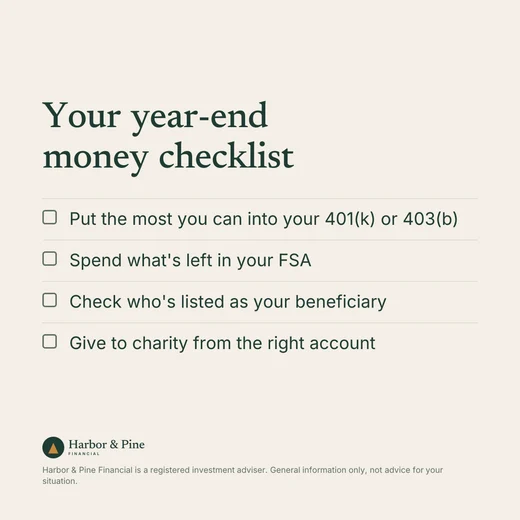

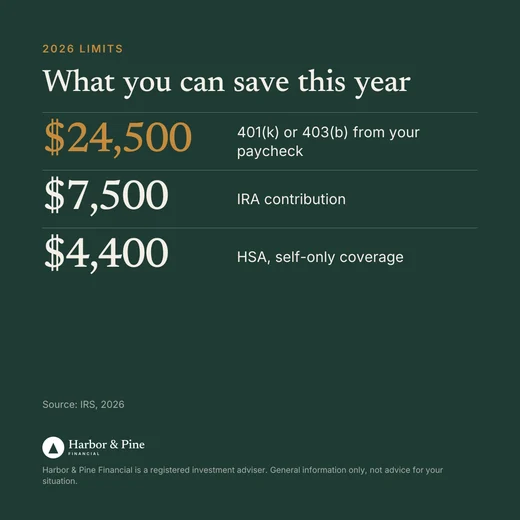

Open now. Watt drafts a week of posts, emails and graphics in your voice, with no client data needed.
Start your 7-day free trialThe Bottom Line for Financial Advisors Using AI Notetakers
AI notetakers are compliant when you make them compliant, and the work happens before the first recording. Get consent from everyone in the meeting and hold yourself to the all-party standard. Treat transcripts that document advice as books and records, with a deliberate retention policy rather than an everything-forever reflex. Find out where your vendor sends client data, review every summary before it becomes the record, and write the policy down so the decisions survive your busiest weeks.
None of this takes a compliance consultant on retainer. It takes an afternoon of setup and a willingness to answer the questions your regulator would eventually ask anyway. My earlier pieces on whether advisors can use ChatGPT and the compliance-first approach to AI content round out the picture if AI compliance is on your list this quarter.
The tools are ready whenever your process is.

Sam is the creator of Amplify for Advisors and Watt, the Amplify for Advisors Agent. A former RIA owner whose work has been featured in Forbes, NerdWallet, Nasdaq, and more, he teaches financial advisors to use AI in their own voice while staying compliant.