Your clients have a new first call. It answers in seconds, never sends a bill and has never once said "let me look into that and get back to you," even on the days it really should have.
This week brought fresh numbers on how often your clients make that call, good news about what advisors do with the hour AI hands back and a reminder that somebody at your firm should be in charge of the robots. At a small firm, that somebody already has your name on the door.
Three stories from this week that matter for your practice.
Your Clients Are More Likely to Ask AI Than People Without an Advisor.
On Wednesday, American Banker reported on a survey of 1,981 U.S. adults from Evergreen, an AI investment advice app that's shutting down this month. Among people who work with an advisor, 64% had asked an AI tool about their money, and 42% acted on the answer without checking anywhere else. Both figures run well above what the survey found for people without an advisor. (The app is shutting down this month, so its own answers may soon be the hardest ones to double-check.)
The same survey found advised adults were far more likely to understand the tax side of their decisions. People without an advisor were more than three times as likely not to know the tax impact of their largest recent financial decision, 38% compared with 12%.
Why you should care: The clients most likely to trust a chatbot's answer are the ones already paying you, which is a strange compliment and a real opening. Melissa Bouchillon of Sound View Wealth Advisors put it simply, saying AI is "not always correct, and so advisors have to be aware of this and ready."
Being ready can be as small as telling clients which decisions to run past you before they act. Taxes, company stock and big withdrawals are where a confident wrong answer costs the most, and the survey shows that's exactly where your clients already do better with you in the picture.
Source: The "advisor paradox" of clients who trust AI for financial advice (American Banker)
Advisors Are Putting the Time AI Saves Back Into Clients.
On Thursday, Financial Planning shared results from its Financial Advisor Confidence Outlook survey. Of the advisors using AI, 48% said their administrative workload went down, and the most common savings came from onboarding and paperwork, compliance documentation and meeting notes.
The time didn't turn into shorter weeks, which will surprise nobody who has ever run a practice. Seven in 10 said they don't work fewer hours, 28% said they spend more time with existing clients, 28% said they do more in-depth planning and 31% said they serve more households.
Why you should care: For a solo advisor, an hour saved on notes is an hour you get to decide about, and the survey suggests many advisors are spending it on the work clients notice. That's a good test for any AI tool you try, which is whether it hands you back time you can point at something that matters.
It also helps to decide where the time goes before you save it. If the plan is more client calls or one more prospect meeting a week, put it on the calendar now, or the saved hour has a way of filling itself with email.
Source: AI's upshot? Advisors are reinvesting time into growth, new data shows (Financial Planning)
Only 42 of the 455 Largest RIAs Have Someone in Charge of AI.
On Friday, WealthManagement.com reported on research from Caddi, which looked at public Form ADV data and LinkedIn profiles for the 455 largest independent RIAs. Only 42 had someone whose title makes them an AI or innovation leader.
Those firms moved faster. Of the firms with a clear AI leader, 71.4% had hired for an AI tool, compared with 11% of firms without one. And 56.6% of the firms hiring for AI made no compliance archiving or security hire alongside it.
Why you should care: If you run a small practice, you're the AI leader whether your title says so or not. Congratulations on the promotion, which comes with the same pay and a few more logins. Caddi's CEO Alejandro Castellano said the firms getting somewhere with AI all did one thing first, which was giving it an owner, and in a solo firm that owner is you.
The compliance gap is the part worth copying in reverse. When you add an AI tool, take a minute to note where its output gets archived and who can see the data it touches, so the record exists before anyone asks for it.
Source: Most Large RIAs Lack an AI Leader, Data Shows (WealthManagement.com)
Meet Watt, the marketing agent for financial advisors.
Monthly newsletters, website articles, social posts and graphics, all in your brand and your voice.
Paste your website and Watt learns your brand.

- Your colors
- AaAaYour fonts
- Your logo
- Your voice
Your week of posts, drafted for you.
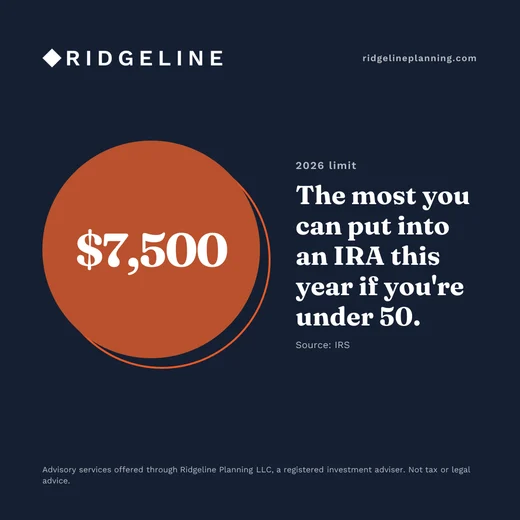
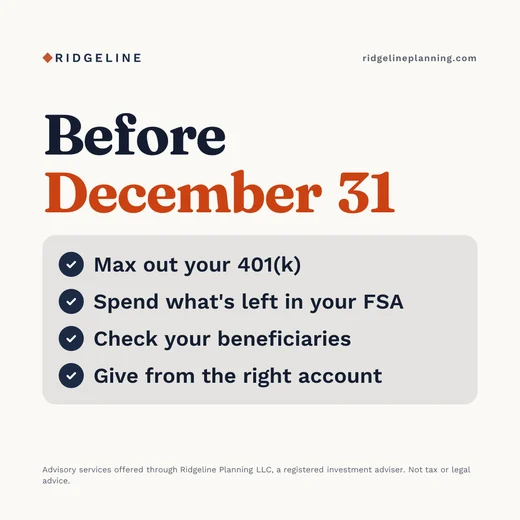

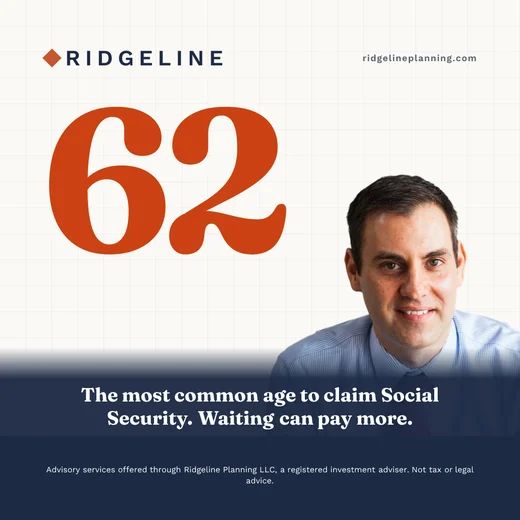

Your monthly newsletter, written for you.
- Sounds like you
- Links to your website articles
- Your disclosure added
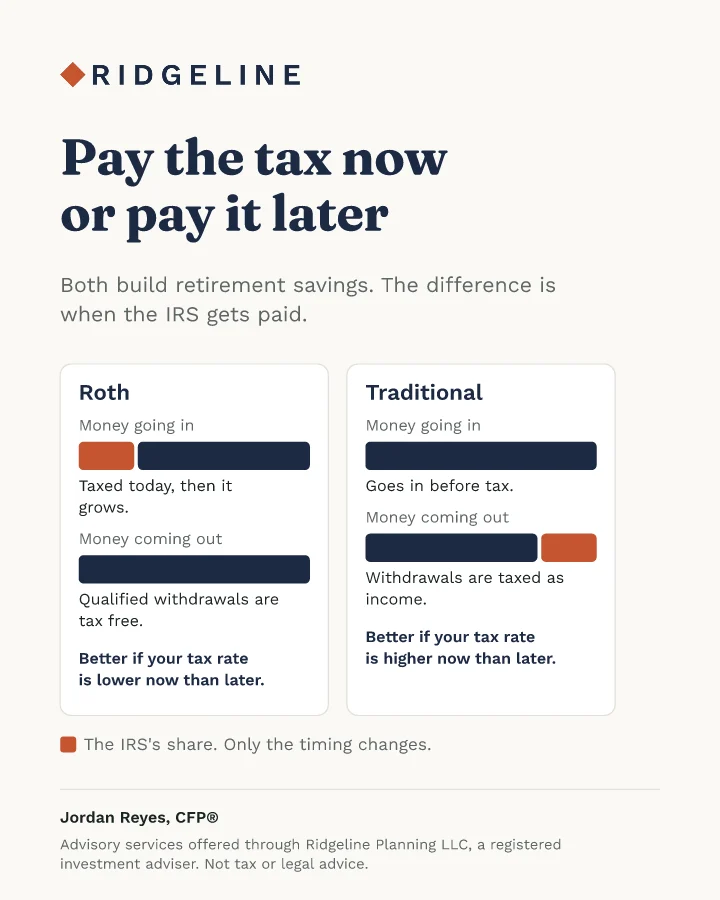
More than 50 client handouts, in your brand.
Nothing goes out until you approve it.
- infPosts to LinkedIn and Facebook on time
- Newsletter ready to send
- A copy for your records
About 10 minutes a week
About ten minutes a week. Nothing goes out until you approve it.
Start your 7-day free trialONE THING TO TRY THIS WEEK
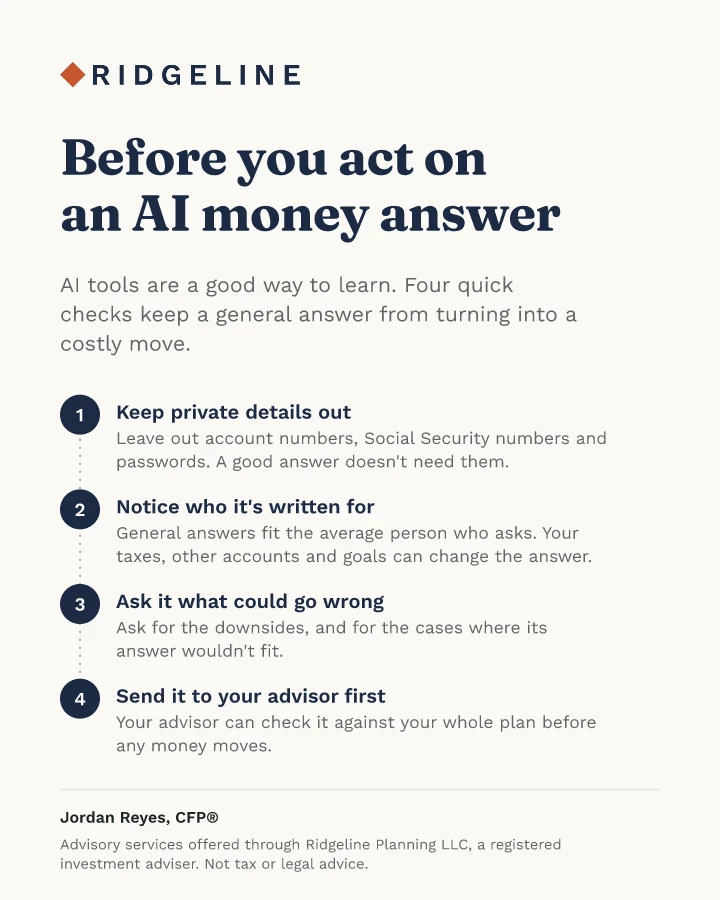
The Evergreen survey shows clients with advisors ask AI about their money and often act on what it says. This week, set up a checker that turns any big money decision into a short "before you act" handout, so clients know which questions to bring you whatever a chatbot told them.
Step 1. In Claude, create a Project called "Before you act" (in ChatGPT, a custom GPT works the same way). Open its instructions and paste this.
You help me, a financial advisor, write short educational handouts for clients who are about to make a big money decision and may have already asked an AI tool about it. When I name a decision, like selling company stock, taking a large withdrawal from a retirement account, a Roth conversion or paying off a mortgage early, write a one-page handout in plain language with three parts. First, two or three sentences on why this decision deserves a second look before acting. Second, five questions the client should be able to answer first, covering taxes, timing, what else in their plan it affects and what happens if they're wrong. Third, a short note that AI tools can be a helpful starting point but don't know their full situation, with a friendly line inviting them to bring the questions to me before they act. Keep it under 300 words, warm and never alarming. Never recommend a specific product or action, never include numbers that depend on a client's situation, and don't promise any outcome. End with a reminder for me that the handout goes through my compliance review before I share it.
Step 2. Add a short file to the project with your firm name and how clients can reach you, so every handout ends with the right contact details.
Step 3. Test it with the decision your clients ask about most, then save each approved handout in a folder. The next time a client mentions what ChatGPT told them, you'll have the right page ready to send, and ChatGPT can get used to being the second opinion.
The best answer to a confident chatbot is a client who knows which questions to bring you.

Sam is the founder of Amplify for Advisors and Watt, the Amplify for Advisors Agent. A former RIA owner whose work has been featured in Forbes, NerdWallet, Nasdaq, and more, he teaches financial advisors to use AI in their own voice while staying compliant.