A client newsletter works best when each issue gives readers one useful idea they can act on, one timely note about something that just changed, a short personal line and one easy next step. That's it. You don't need a market recap, a list of ten tips or a photo of the office plant, and the issues that get read tend to feel like a note from you rather than a publication.
It's also one of the few marketing habits that reaches people who already trust you. About 31% of advisors send a newsletter, according to The Kitces Report's 2026 marketing study, and the ones who send often see real results from it.
Here's what to put in it, how often to send it, how long it should run and what to leave out.
What Should a Financial Advisor's Newsletter Include?
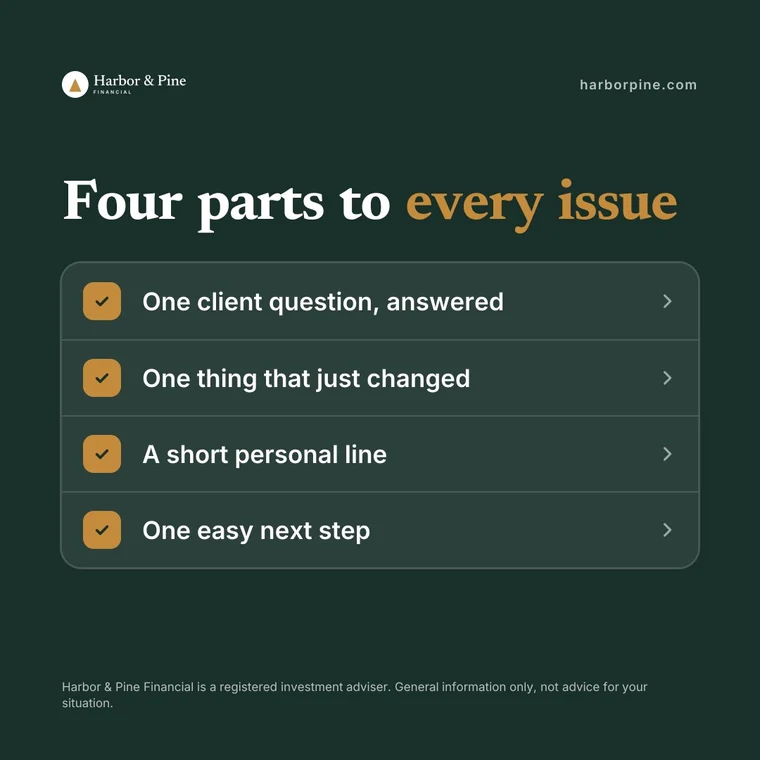
Every issue should include one main idea, one timely note, one personal touch and one clear next step. That simple shape keeps each issue short enough to write in an afternoon and useful enough that clients open the next one.
The main idea is the heart of the issue. Pick one question a client asked you recently and answer it the way you would across the table, with an example and a sentence on what it might mean for them.
The timely note is a short paragraph on something that just changed, like a new contribution limit, a deadline or a headline your clients are seeing. The personal line can be as simple as what your week looked like, and the next step is a single invitation, such as replying with a question or booking a review.
How Often Should Financial Advisors Send a Newsletter?
Send it more often than feels comfortable at first. In The Kitces Report's 2026 marketing study, advisors who sent about 36 newsletters a year won new clients from them 33% of the time, compared with 14% for advisors who sent 12 a year.
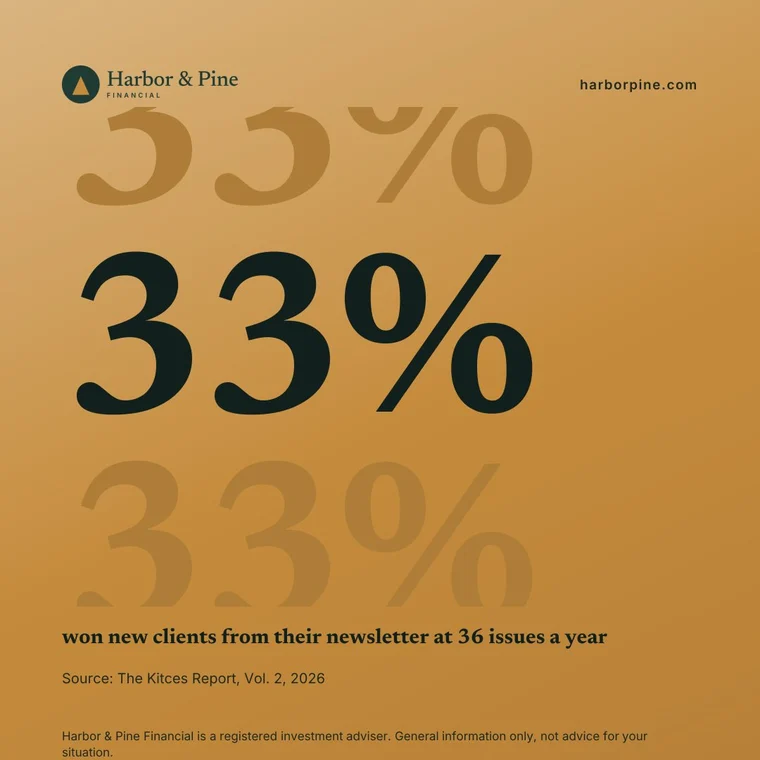
That doesn't mean everyone needs to send three a month starting next week. The group in that study was small, so I'd read it as a direction more than a promise, but it lines up with what Kitces found about every kind of content, which is that steady beats occasional.
A practical place to land is twice a month. If that feels like too much, a monthly issue that never misses still beats a quarterly one that slips. If you're also deciding how often to post on social media, the posting frequency guide walks through the same research for LinkedIn and Facebook.
How Long Should a Client Newsletter Be?
Longer than you'd think, as long as every paragraph earns its place. The same Kitces study found newsletters with a median of about 1,030 words won new clients 31% of the time, compared with 17% for shorter ones around 500 words.
That runs against the advice to keep everything short, and the sample was small here too. But it makes sense when you think about what a good issue does. A real answer to a real question takes a few hundred words, and a reader who gets one is more likely to remember who gave it to them.
The good news is that length doesn't have to mean effort. A 900-word issue built from one client question, one timely note and a few personal lines reads quickly when each part is useful, and it gives you plenty to pull from for posts later in the week.
What Topics Work Best in a Client Newsletter?
The best topics come from your own client conversations. Questions clients ask you in meetings are the questions their friends and neighbors are asking too, which makes them easy to write and easy to forward.
Dates and changes are the next best source. Contribution limits, open enrollment windows, tax deadlines and year-end giving all give you a reason to write, and the content calendar guide lists the dates worth building around. When the news is busy, a short note on what a headline might mean for your clients does more than a summary of what the market did.
A little behind-the-scenes content helps too. A paragraph on how you prepare for a review or think through a decision lets readers picture working with you, and it's often the part people reply to.
Should Your Newsletter Be Written for Your Niche?
Yes, if you have one. A newsletter written for one kind of client, like physicians in their first years as attendings or families with young kids, reads like it was written for the person opening it, and that's what gets it read.
In the Kitces study, high-growth practices were more likely to be niche-focused (56% versus 41%), and practices with a clear niche spent far less to bring in clients through referrals. A newsletter is one of the easiest places to put that niche into practice. Instead of a general note about saving for retirement, you can write about the one decision your clients face this season and the mistake you see most often.
If you serve more than one group, you don't need a newsletter for each. A sentence or two that speaks directly to each group, or a short section near the end, keeps everyone feeling seen without doubling your work.
What Should You Leave Out of a Client Newsletter?
Leave out anything that reads like a pitch, a prediction or a client's private details. Product pitches turn a helpful note into an ad, predictions about where markets are headed are hard to defend and easy to regret, and client stories should always be anonymized past the point of recognition.
Market recaps are worth trimming too. Your clients can find yesterday's numbers anywhere, and a paragraph of index returns rarely tells them anything about their own plan.
And skip the long list of links. One link to something you wrote, or one clear next step, gets far more clicks than ten links nobody has time to read.
Do Compliance Rules Apply to Client Newsletters?
Yes, and it's worth knowing which ones before you send. If you're an RIA, the SEC Marketing Rule turns on whether a communication offers your advisory services, so an issue that invites readers to work with you is likely an advertisement, and your books and records rules apply to keeping a copy.
If you're with a broker-dealer, FINRA Rule 2210 treats a written piece sent to more than 25 retail investors within 30 days as a retail communication, which generally needs a principal's approval before it goes out. FINRA asked for comment in July 2026 on changing how that pre-approval works, so your firm's current procedures are the ones to follow.
None of this has to slow you down. A newsletter built on education rather than promises clears review faster, and the compliance-first approach to AI content walks through a review process that fits a regular schedule.
Should You Write Your Newsletter Yourself or Get Help?
Many advisors do better with help. The Kitces study found 33% of advisors who fully outsource their newsletters find them successful at winning new clients, compared with 25% of those who write them in-house, which the report suggests may come from better quality or simply sending more often.
The catch with outsourcing is that a generic newsletter doesn't sound like you, and clients can tell. The middle path is a tool that drafts each issue in your voice from your own topics and leaves the final say with you.
Meet Watt, the marketing agent for financial advisors.
Monthly newsletters, website articles, social posts and graphics, all in your brand and your voice.
Paste your website and Watt learns your brand.

- Your colors
- AaAaYour fonts
- Your logo
- Your voice
Your week of posts, drafted for you.


Your monthly newsletter, written for you.
- Sounds like you
- Links to your website articles
- Your disclosure added
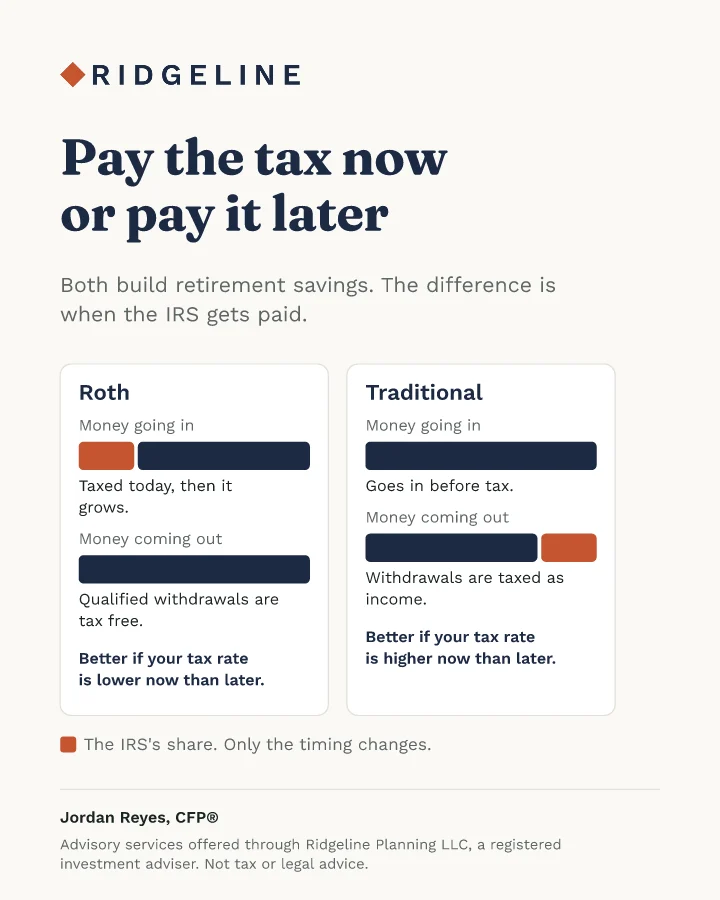
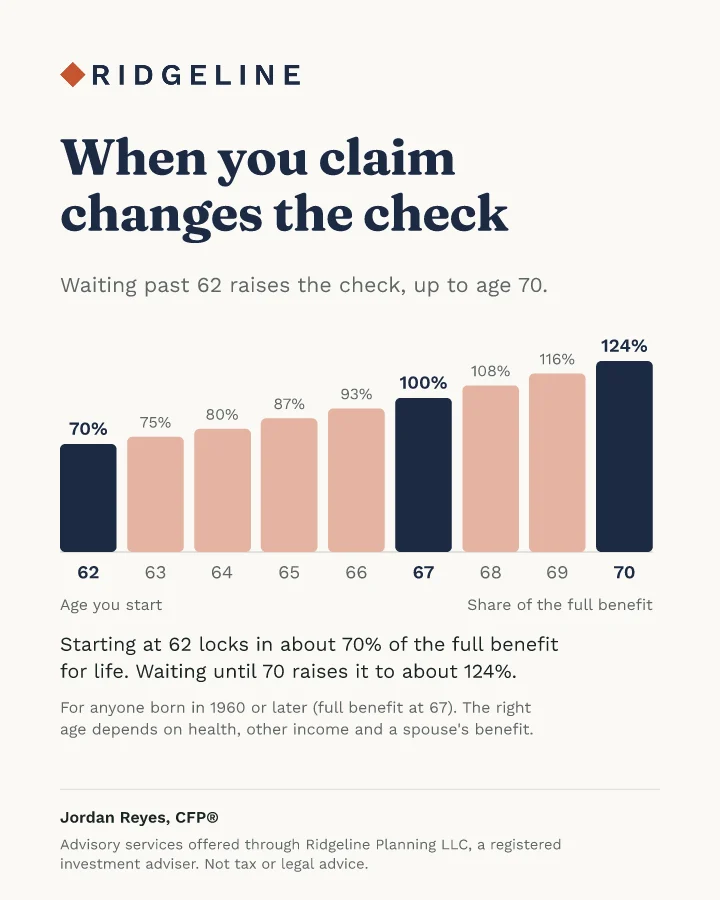
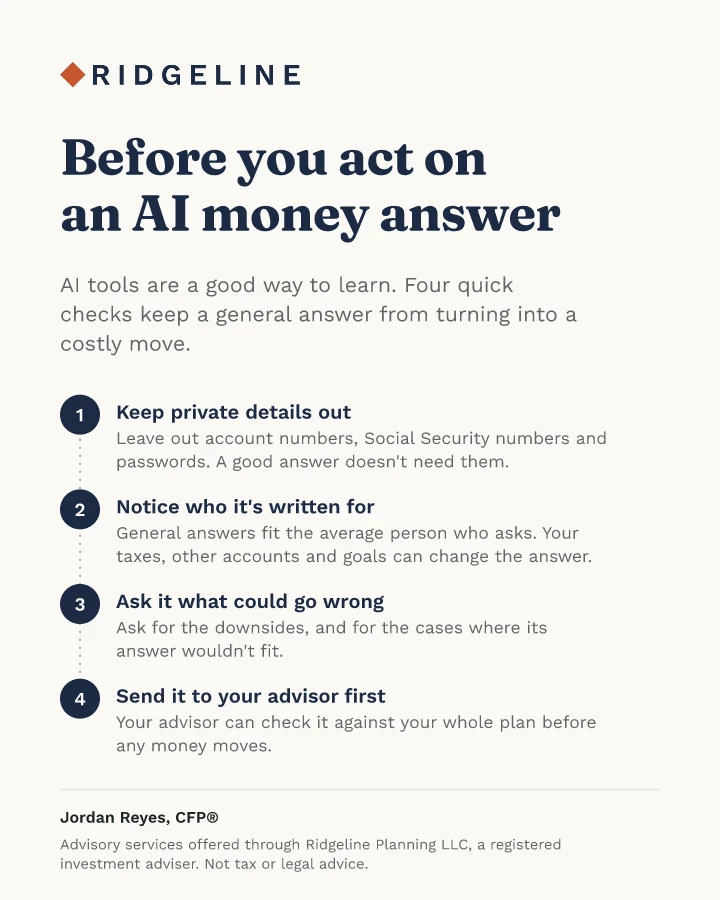
More than 50 client handouts, in your brand.
Nothing goes out until you approve it.
- infPosts to LinkedIn and Facebook on time
- Newsletter ready to send
- A copy for your records
About 10 minutes a week
About ten minutes a week. Nothing goes out until you approve it.
Start your 7-day free trialWhichever way you go, keep one thing in your hands. The client question at the center of each issue should come from your meetings, because that's the part no one else can write.
The Bottom Line for Advisors Who Want a Newsletter Clients Read
A good client newsletter is one useful idea, one timely note, a personal line and an easy next step, sent often enough that clients start to expect it. The 2026 Kitces data points toward more frequent and somewhat longer issues, written for the people you serve and kept on the education side of the line.
You already have the topics. They're the questions your clients asked you this month, and each one is a newsletter waiting to be written.

Sam is the founder of Amplify for Advisors and Watt, the Amplify for Advisors Agent. A former RIA owner whose work has been featured in Forbes, NerdWallet, Nasdaq, and more, he teaches financial advisors to use AI in their own voice while staying compliant.