Advisors who post more often win more clients from social media. In Kitces Research's 2026 study of how financial planners market their practices, 71% of advisors who posted daily won at least one client from social media, while those posting weekly or monthly landed between 41 and 50%. So the honest answer is more often than feels comfortable, as long as every post is still worth reading.
That second part is where many advisors get stuck. You already know consistency matters. The hard part is finding the time to show up on a Tuesday when you've got three review meetings and a compliance question waiting in your inbox.
Here's what the research says, why frequency matters so much, and how to post more often without giving up your evenings.
What Does the Research Say About How Often Advisors Should Post?
The clearest data comes from Kitces Research's 2026 report, How Financial Planners Actually Market Their Services. It asked advisors how often they post and whether social media brought them a client.
The results climb with frequency, though not in a perfectly straight line. Advisors posting less than once a month won a client 29% of the time. Monthly and several-times-a-month posters both landed at 50%, weekly posters at 43%, and those posting several times a week at 41%. Then daily posters jumped to 71%.
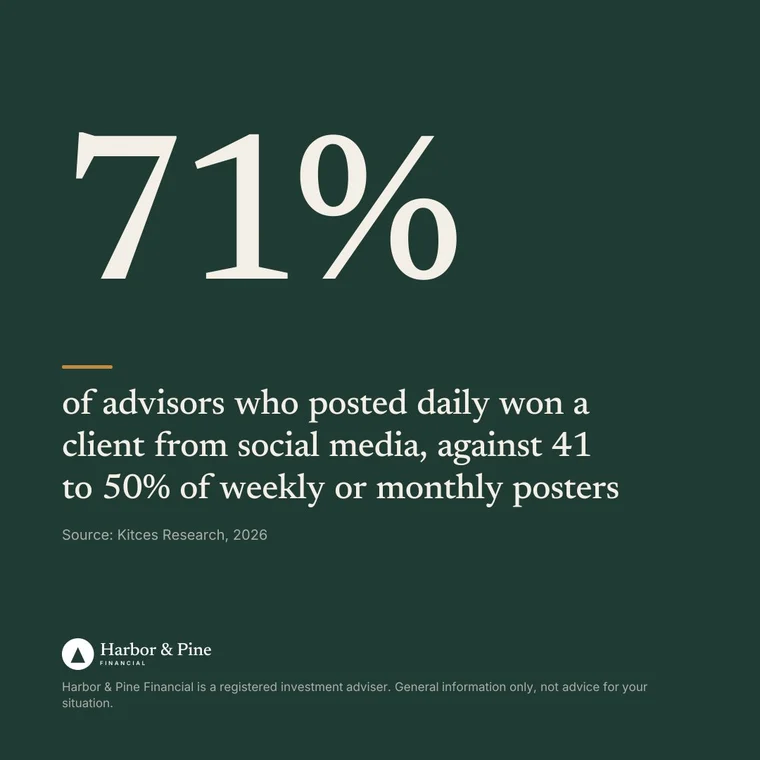
Worth noting, the report describes frequency as generally positively correlated with success, and it doesn't break the numbers down by platform. The numbers describe advisors in the study and can't promise results for any one practice. But the gap between daily posting and everything else is big enough that it's hard to ignore.
Why Does Posting More Often Win More Clients?
Posting more often wins more clients because trust builds through repetition. A prospect rarely reads one post and books a meeting. They see your name, then a useful idea, then another one a few days later, and somewhere along the way you become the person they think of when money questions come up.
Frequency also gives you more chances to be useful at the right moment. A post about year-end tax moves lands differently in December than in June, and a post about rolling over a 401(k) matters most to the person who just changed jobs this week. The more often you show up, the more likely one of your posts meets someone right when they need it.
And it compounds. The LinkedIn algorithm tends to show more of your posts to people who engaged with your last few, so steady posting keeps you in front of the people already paying attention.
Why Do So Many Advisors Burn Out on Posting?
Advisors burn out on posting because the time adds up fast. The same Kitces report found that satisfaction with social media drops as posting frequency rises. Advisors posting less than monthly rated their satisfaction 4.5 out of 10, while everyone posting more often rated it between 2.9 and 3.5.
That tracks with what I hear from advisors I work with through Amplify for Advisors. Writing one good post can eat an hour once you find the idea, write it, make a graphic, and run it past compliance. Do that five times a week and you've lost a full day to marketing.
The cost shows up in the numbers too. Kitces found that advisors who handled social media in-house spent $1.77 for every $1 of new yearly revenue it brought in, while advisors who handed it off entirely spent $0.45. Much of that in-house cost is the advisor's own time.
The frequency that wins clients is the one many advisors can't keep up on their own.
That's the real problem to solve, and it's about time far more than willpower.
Does It Matter Which Platform You Post On?
It matters less than how consistently you show up. Kitces found success rates fairly close across the big platforms, with Instagram at 54%, Facebook and LinkedIn each just under half, and X at 36%.
I'd pick the one or two platforms where the people you serve already spend time and post there well, before spreading yourself across all four. If you work with business owners, LinkedIn is probably home base. If you serve young families, Instagram or Facebook might reach them faster.
The same idea can travel across platforms, too. A LinkedIn post can become a shorter Facebook version and an Instagram graphic, which gives you more consistency from the same thinking. Each one just needs to be written for where it lives.
What's a Realistic Posting Schedule for a Busy Advisor?
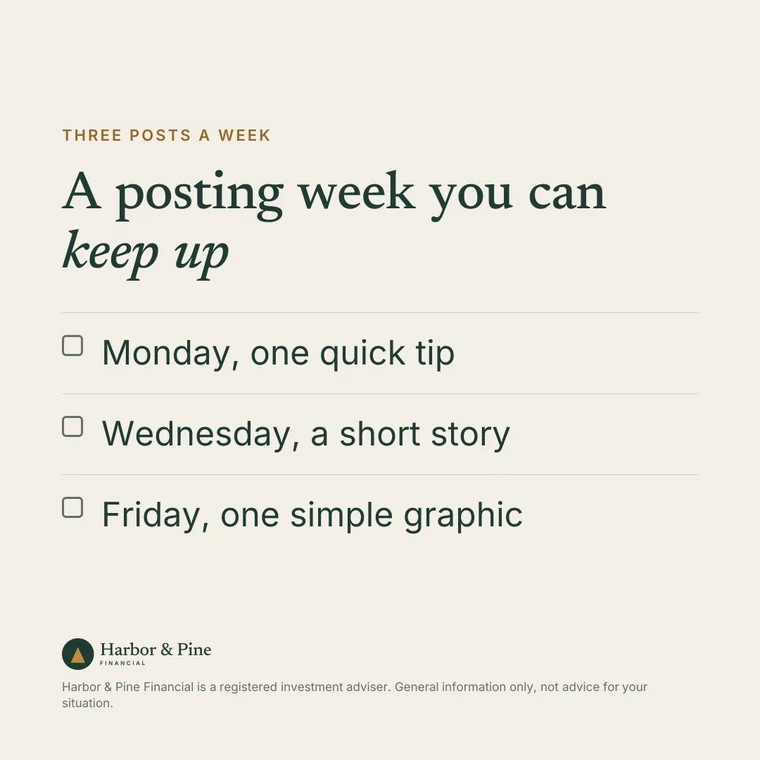
A realistic schedule is the most you can sustain for months, not weeks. For many advisors that starts at three posts a week, which is enough to stay visible, and it can grow toward daily once you've got a system that doesn't depend on your free time.
Here's how I'd think about it. Pick one theme for the week, like a question several clients asked or a deadline coming up. Turn that theme into a few angles, such as a quick tip, a short story about how you think about it, and a simple graphic with the key number. One idea becomes three posts that feel connected instead of random.
Email counts as part of the rhythm too. Kitces found advisors sending about three newsletters a month won a client 33% of the time, against 14% for those sending one a month. Showing up more often helps in the inbox as much as in the feed.
How Can You Post More Often Without Spending More Time?
You can post more often without spending more time by separating the thinking from the drafting. Your judgment, your stories, and your opinion are the parts only you can supply. The drafting, the formatting, and the graphics are the parts that eat the hours.
That's why so many of the content tasks advisors hand off are the repetitive ones. When a first draft shows up ready for your review, posting five times a week stops being a second job and becomes a ten-minute check-in.
The key is that the drafts still have to sound like you. Generic posts don't build trust no matter how often they go out, which is why a solid voice guide matters before you turn up the volume.
Watt, the Amplify for Advisors Agent
See Watt solve this.
Paste your website once, and Watt drafts a week of posts with graphics in your voice and brand, ready for you to approve.
This week · ready for your review
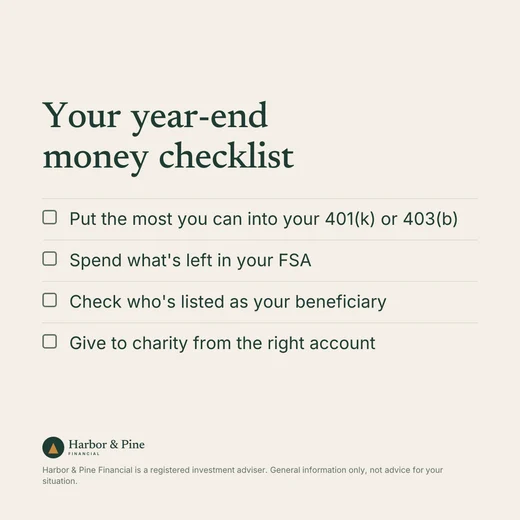

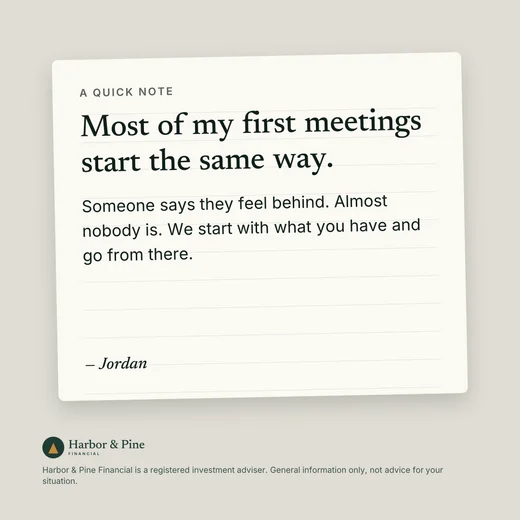

Open now. Watt drafts a week of posts, emails and graphics in your voice, with no client data needed.
Start your 7-day free trialDoes Posting More Often Create More Compliance Work?
It can, so build the review into your rhythm from the start. More posts means more pieces to approve and more copies to keep, and the rules depend on how you're registered.
If you're with a broker-dealer, FINRA Rule 2210 and your firm's own procedures decide what needs a principal's approval before it goes out, so check how your firm treats social media posts before you add volume. If you're an RIA, the SEC Marketing Rule applies to your posts, and the books and records rules mean you'll want a copy of each one you publish.
The good news is that a steady weekly batch is easier to review than scattered last-minute posts. When the week's drafts arrive together, you or your compliance team can look at them in one sitting. The compliance-first approach to AI content walks through how to set that up.
The Bottom Line for Advisors Deciding How Often to Post
Post as often as you can keep up with quality, and aim higher than feels natural. The 2026 Kitces data shows daily posters winning clients from social media far more often than weekly or monthly posters, and it also shows why so few advisors manage it.
So the question to ask yourself is less about the perfect number and more about what would let you show up consistently without giving up your evenings. Start with three good posts a week, keep them sounding like you, and build a system that makes the next step easier than the last.
Consistency is what people remember.

Sam is the creator of Amplify for Advisors and Watt, the Amplify for Advisors Agent. A former RIA owner whose work has been featured in Forbes, NerdWallet, Nasdaq, and more, he teaches financial advisors to use AI in their own voice while staying compliant.