AI marketing for financial advisors means using tools like ChatGPT and Claude to plan, create, and distribute the marketing that grows your practice, from your content and client emails to how you show up when a prospect asks AI for a recommendation. Done well, it gives a solo advisor the output of a small marketing team while still sounding like one real person.
This matters right now because the way people find and check out advisors is changing. In a 2025 Credit Karma report, 66 percent of Americans who had used a tool like ChatGPT said they had used it for financial advice. A 2025 Wealthtender survey of people earning over $100,000 who plan to hire an advisor found that most would research advisors online before deciding, even after getting a referral. And Northwestern Mutual's 2025 study found that younger clients now prefer working with an advisor who understands how to use AI. Your future clients are already using these tools, and the opportunity is to meet them there.
This guide walks through the whole picture. What AI marketing actually is, why 2026 is the year it matters, and how to use AI across the parts of your marketing that move the needle, including your voice, your content, your distribution, your visibility in AI search, your client communication, and your funnels. Each section links to a deeper piece if you want to go further, and every part of it is written to keep you on the right side of compliance.
What AI Marketing for Financial Advisors Actually Is
AI marketing is a set of tools that handle the slow, repeatable parts of marketing so you can spend your time on the parts only you can do. It does not think for you. It gives you a faster first draft, a second set of hands, and a way to be in more places without cloning yourself.
Think of it in three layers. The first is creation, where AI helps you go from a blank screen to a finished piece of content in your voice. The second is distribution, where AI helps you turn one idea into a week of presence across the places your audience actually looks. The third is visibility, where AI helps your practice show up when someone asks ChatGPT or Google for an advisor who does what you do.
All three depend on one thing working first, which is that the output has to sound like you. That is where the foundation matters more than any single tool, and we will start there. If you want the wider view of where AI fits in an advisory practice, this piece on how advisors should actually use AI in 2026 is a good companion.
Why AI Marketing Matters for Advisors in 2026
For years, marketing for advisors meant referrals plus a website almost nobody visited. That still works, and referrals are still the best clients you will ever get. What is new is the step that happens after the referral. Before someone reaches out, they look you up, and more and more they look you up by asking an AI tool rather than scrolling a page of blue links.
That Wealthtender survey found most high-income prospects will research an advisor online before deciding, even when a friend already vouched for you. So the content you publish is doing double duty now. It builds trust with the humans who read it, and it teaches the AI tools what you are known for so those tools can point people your way. Advisors who publish consistently are training the machines that answer their prospects' questions.
There is a real opening here. The tools are new enough that the advisors who start now are building visibility before their local competition has figured any of this out. A year of steady, useful content is the kind of head start that is very hard to catch. You can read more on how to show up when prospects ask AI for a recommendation.
Start With Your Voice
Before you generate a single post, teach AI how you sound. Out of the box, these tools write like a corporate brochure, and clients can feel it from the first line. The fix is a voice guide, a short document that captures your tone, your vocabulary, the analogies you reach for, and how you handle the line between education and advice.
You build it once and reuse it forever. Every prompt starts by loading your voice guide, and the output stops sounding like a machine and starts sounding like you on a good day. This one step does more for the quality of your AI content than any clever prompt, and it is the reason so much AI content out there reads the same. For the how, see the financial advisor's voice guide and why AI content sounds like every other advisor's.
Use AI to Create Content Without the Blank Screen
The blank screen is the reason a lot of advisors start strong in January and quit by March. AI removes it. You tell the tool your niche and what is going on in your clients' world this week, ask for ten topic ideas, pick one, ask for ten hooks, pick one, and let it write the first draft in your voice. Your work shifts from writing to editing, which is faster and far easier to keep up.
The edit pass is where your judgment lives, and it is the one step you never hand off. AI gets you most of the way. Your real story, your example, and your read on what your clients need are what make it yours. If you are just getting going, this step-by-step guide to using AI for content is the place to begin.
Turn One Piece of Content Into a Week of Presence
Creating is only half the work. Distribution is the other half, and it is where AI saves the most time. One good piece, a newsletter or an article, holds enough material for a week of posts. AI can pull the strongest ideas out of it and reshape each one for LinkedIn, for a client email, or for a short note.
Different people read in different places, so the same idea reaches a wider audience when it shows up as a post, an email, and a note rather than a single article nobody scrolled far enough to see. LinkedIn is where a lot of advisor attention lives, and this breakdown of the LinkedIn algorithm covers how to get seen there.
Show Up When Prospects Ask AI for an Advisor
This is the newest and most valuable shift. When someone asks ChatGPT or Perplexity for a fee-only advisor who works with dentists in Denver, the tool gives an answer. The advisors it names are the ones who have published clear, specific content that the AI has read and come to trust.
Getting recommended by AI has a name now, answer engine optimization, and the basics are within reach for any advisor. Write content that answers the exact questions your prospects ask, be specific about who you serve and what you do, use plain headings and everyday language so the tools can read and quote you, and add structured data to your site so machines understand what each page is about. This is the part of marketing with the least competition right now, because almost nobody in your local market is doing it yet. The tactical version lives in how to write content that gets cited by ChatGPT and Perplexity.
Your Current Clients Are Part of Your Marketing Too
The clients you already have are your best source of growth, through the referrals they send and the kind words they share. AI helps here as much as it helps with new prospects. It can draft the quarterly letter people actually read, the check-in email after a rough market week, and the warm introduction between your client and their CPA. Communication that used to slip because you were busy now happens on time and sounds like you.
Retention is marketing. A client who feels looked after sends people your way, and a client who only hears from you at review time slowly drifts. For more on this, see AI for client communication.
Build Simple Marketing Funnels With AI
A funnel sounds technical, and it is simpler than the word suggests. It is just the path a stranger takes to becoming a client. A piece of content earns attention, a free resource earns an email address, a short email sequence earns trust, and a conversation earns the relationship.
AI helps you build each step. It can write the lead magnet, the landing page, and the welcome sequence, all in your voice with compliance guardrails in place. The referral and center-of-influence path, where a CPA or an attorney sends people your way, is the highest-trust funnel of all, and AI can draft the outreach that starts those relationships. The full frameworks for each funnel are covered across the newsletter for paid subscribers.
Keep It Compliant
None of this is worth doing if it puts your practice at risk, and the good news is that compliant AI marketing comes down to a few simple habits. Keep real client data out of consumer AI tools and describe anonymized scenarios instead. Frame everything as education rather than a promise. Skip guarantees and performance claims. Run anything client-facing past your own firm's rules before it goes out.
The tools themselves are fine. What matters is how you use them, and a few guardrails let you move fast without losing sleep. The full picture, including what PII and NPI actually mean for advisors, is in this guide to PII, NPI, and AI tools.
How to Get Started
You do not need to do all of this at once. Here is the order that works.
1. Build your voice guide. It is the foundation every other step reads from, and it takes about 30 minutes.
2. Set up one AI tool and a simple weekly rhythm. One tool, one block of time, and one place to publish.
3. Publish one useful piece a week and let AI help you repurpose it into a few posts.
4. Make your best content answer the real questions prospects ask so AI search can find and recommend you.
5. Add client communication and one simple funnel once the content habit has stuck.
Pick the first step and start this week. Momentum matters more than getting it perfect, and consistency is what compounds.
Mistakes to Avoid
A few things trip advisors up. Publishing AI content that still sounds generic, because they skipped the voice guide. Chasing every platform at once instead of owning the one where their clients already are. Treating AI like a safe place to paste real client data. And quitting after three weeks because the results were not instant. Marketing compounds, and the advisor who publishes for twelve months looks lucky to everyone who started and stopped.
If you would rather install the system than build it from scratch, the Claude Skills for financial advisors run these workflows on your own inputs, from your voice guide to your content to your quarterly client letter.
Common Questions About AI Marketing for Financial Advisors
Is AI marketing compliant for financial advisors?
Yes, when you use it with care. Keep real client data out of consumer tools, frame content as education rather than advice, skip guarantees, and follow your own firm's rules. The tools are fine. How you use them is what keeps you compliant.
What is the best AI tool for financial advisor marketing?
ChatGPT and Claude are the two tools a lot of advisors use, and both run about $20 a month. Claude tends to be strong for longer writing and for its Skills, and ChatGPT is a capable all-rounder. The tool matters less than teaching whichever you choose to sound like you.
Can AI really write content that sounds like me?
Yes, once you give it a voice guide built from your own writing. Without that, the output sounds like every other advisor. With it, the writing reads like you wrote it.
How do I get recommended by ChatGPT or Perplexity?
Publish clear, specific content that answers the questions your prospects ask, be explicit about who you serve, and use plain headings and structured data so the tools can read and quote you. The practice is called answer engine optimization, and it is where the least competition lives right now.
How much time does AI marketing take?
Less than you would think once the system is set. A lot of advisors run a full content week in about 90 minutes, because AI handles the drafting and the repurposing while you handle the editing and the judgment.
Will AI replace financial advisors?
No. Surveys still show people trust a human advisor over AI alone, and younger clients specifically prefer advisors who know how to use AI. It makes you faster and more visible. The relationship is still yours.
Watt, the Amplify for Advisors Agent
See Watt solve this.
Paste your website once, and Watt drafts a week of posts with graphics in your voice and brand, ready for you to approve.
This week · ready for your review


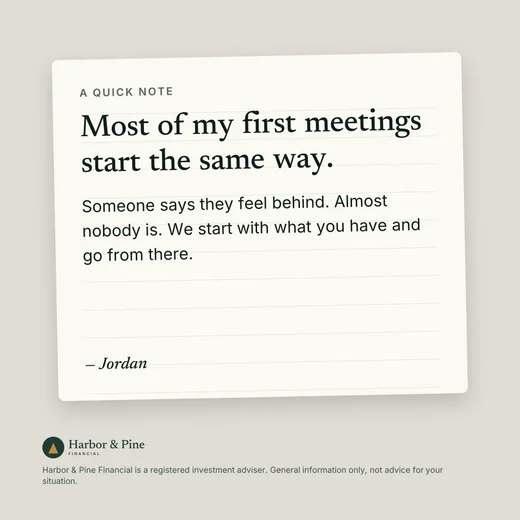
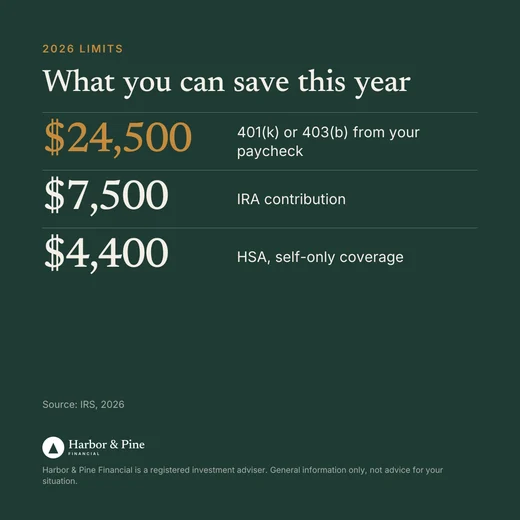

Open now. Watt drafts a week of posts, emails and graphics in your voice, with no client data needed.
Start your 7-day free trialThe Bottom Line
AI marketing gives a solo advisor reach that used to take a whole team. It writes in your voice, shows up where your prospects look, and keeps your current clients feeling looked after, all while you stay in control of the judgment and the relationships that actually close business. The advisors who start now are building something their competition has not thought about yet. Pick one step, and begin this week.

Sam is the creator of Amplify for Advisors and Watt, the Amplify for Advisors Agent. A former RIA owner whose work has been featured in Forbes, NerdWallet, Nasdaq, and more, he teaches financial advisors to use AI in their own voice while staying compliant.