Financial advisors can hand off more content work to AI than many of them realize. The seven tasks that make the most sense to delegate first are first drafts, repurposing, routine client emails, content planning, editing to your voice, meeting follow-ups, and the question-and-answer content that AI search engines pull from. None of them require a big budget or a technical background, and every one of them gives you back hours you're currently spending at the keyboard.
I work with advisors through Amplify for Advisors who were skeptical a year ago and now treat AI like a part-time content assistant. The change of heart usually happens the first time a workable draft shows up in thirty seconds instead of thirty minutes. This article walks through the seven tasks worth handing off, in the order I'd hand them off, and the short list of things I'd keep on your own desk.
Why Hand Off Content Tasks at All?
Because the hours are real and the research says your peers are already reclaiming them. Edward Jones and Morning Consult published research on July 8, 2026 showing that 82% of surveyed advisors already use AI in their practice. In the same study, 59% said they want AI taking over administrative work like scheduling and meeting prep, and 53% specifically want it drafting routine client emails and follow-ups.
The wealthtech industry is building for exactly this. New AI tools that handle the advisor's entire meeting workflow launched just this summer, and the big platforms keep shipping features that automate the work around client conversations. The direction is clear even if you never buy a single new platform.
Here's why this matters for a solo advisor or a small RIA. You don't have a marketing department, so every piece of content comes out of hours you could spend planning, prospecting, or at home with your family. Handing the repetitive parts to AI is the closest thing to hiring help without adding payroll. If you're brand new to all of this, my overview of how financial advisors should actually use AI is a good first stop.
Can AI Write Your First Drafts?
Yes, and this is the single best place to start. A first draft is the most expensive part of content creation because it's where advisors stall, and it's also the part AI does best. Give Claude or ChatGPT your topic, your point of view, and a few sentences about who you serve, and you'll get a usable draft of a LinkedIn post or a newsletter section in under a minute.
The catch is voice. A raw AI draft sounds like everyone else's raw AI draft, which is why the advisors who get real value from this build a voice guide first and let every future draft start from it.
You stay the author, AI just types faster.
What About Content You've Already Written?
Repurposing is the highest-return task on this list. One good newsletter issue contains a week of LinkedIn posts, a handful of short notes, and a client email, and AI can extract all of them in minutes while keeping your original wording as the raw material. Many advisors sit on years of archived content that could be working for them again, and handing that archive to AI is like finding money in a coat pocket.
This is also the task that makes consistency achievable. Instead of inventing something new five times a week, you create one strong piece and let AI break it into platform-sized pieces.
Can AI Handle Routine Client Emails?
It can draft them, and drafting is the part that eats your day. Meeting confirmations, market update notes, document reminders, and answers to the questions you hear every month are all patterns AI picks up fast. Remember the Edward Jones number, more than half of surveyed advisors want exactly this handoff. You review the draft, adjust a line or two, and send it knowing it still sounds like you.
The line I'd draw is client data. Keep account numbers, balances, and anything identifying out of consumer AI tools, and if you want the full picture on where that line sits, I've written a plain-language guide to PII, NPI, and AI tools. For the wider view of what AI can do in client communication beyond email, there's a full article on AI for client communication as well.
What Else Can AI Take Off Your Plate?
Three tasks get less attention and save just as much time. The first is planning, where AI turns a vague sense that you should post more into a month of dated topic ideas drawn from the questions clients actually ask you. The second is editing, where a tool that knows your voice guide tightens a draft, catches the jargon you'd never say out loud, and keeps the finished piece sounding like you on your best day.
The third is the follow-up after every client meeting. AI can turn your meeting notes into a recap email and a task list before you're back from lunch, which is the kind of task that used to slide to Friday and now takes five minutes. Worth noting, this pairs well with the note-taking tools many firms already run, and the same review habit applies there too.
What About the Content AI Search Engines Read?
Writing for AI search is the newest task on the list and the one with the longest payoff. Prospects now ask ChatGPT and Perplexity for advisor recommendations, and those tools quote content that answers questions directly. AI is surprisingly good at helping you produce that content, from surfacing the questions people ask to drafting the clean, direct answers that get cited.
In the Edward Jones research, 38% of advisors said clients already compare their recommendations against what AI tools tell them. The conversation is happening with or without you, and showing up in it starts with content built for it. I've published a tactical how-to on writing content that gets cited by ChatGPT and Perplexity if you want the step-by-step version.
What Should You Never Hand Off?
Judgment, relationships, and final approval. AI shouldn't decide what you believe about markets, shouldn't talk to a nervous client, and shouldn't publish anything you haven't read. Compliance lives in the same category, because you own every word that goes out under your name no matter what drafted it.
The good news is a few simple habits cover you. Review everything before it publishes, keep client data out of the tools, and write down how you use AI so your process stays consistent as the tools change.
How Do You Actually Set This Up?
Start with one tool, one task, and one hour. Pick Claude or ChatGPT, hand it your next first draft, and add the next task only when the first one feels routine. I've published a free step-by-step Claude setup guide along with an explainer on Claude Skills for advisors, which are reusable instruction sets that make a handoff permanent instead of something you re-explain every session.
If you'd like a new prompt for tasks like these every week, the Amplify for Advisors newsletter is free.
Watt, the Amplify for Advisors Agent
See Watt solve this.
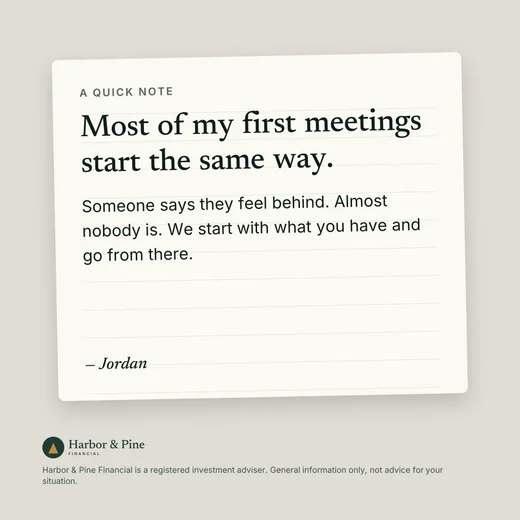
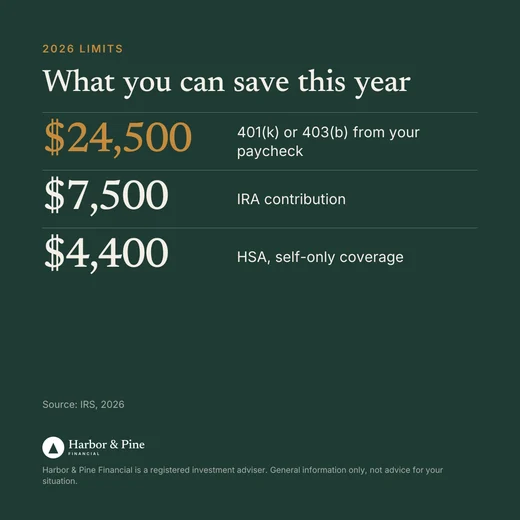
Paste your website once, and Watt drafts a week of posts with graphics in your voice and brand, ready for you to approve.
This week · ready for your review



Open now. Watt drafts a week of posts, emails and graphics in your voice, with no client data needed.
Start your 7-day free trialThe Bottom Line for Advisors Handing Content Work to AI
AI is ready to take first drafts, repurposing, routine emails, planning, editing, meeting follow-ups, and AI-search content off your plate, and it still needs you for everything that made clients hire you in the first place. Start with one task this week and let the time you get back convince you about the rest. Many advisors I work with wish they'd started a year earlier.
The work is still yours. It just moves faster now.

Sam is the creator of Amplify for Advisors and Watt, the Amplify for Advisors Agent. A former RIA owner whose work has been featured in Forbes, NerdWallet, Nasdaq, and more, he teaches financial advisors to use AI in their own voice while staying compliant.